The journey for an aspiring agricultural exporter often begins with the time-consuming pursuit of finding international buyers, attending trade fairs, online marketing, and securing initial purchase orders. This phase focuses intensely on product presentation, price negotiation, and establishing commercial relationships. However, a significant and growing number of these promising ventures falter not at the point of sale, but upon the first physical shipment. This phenomenon reveals a fundamental disconnect between the traditional mindset of export promotion and the modern reality of global trade, where the supply chain itself has become the primary determinant of success.
The collapse of export deals post-shipment is rarely due to a single catastrophic event; rather, it is the cumulative effect of systemic weaknesses in reliability, traceability, quality control, and administrative compliance. These failures underscore a critical truth: while finding a buyer is the starting gun, building an export-ready supply chain is the marathon that determines who finishes the race. International buyers, particularly those in highly regulated markets like the European Union, North America, and increasingly China, have transformed their evaluation process into a rigorous audit of a supplier's entire operational ecosystem. They are no longer merely purchasing a product; they are investing in a partnership built on predictability, trust, and verified compliance.
A powerful illustration of this failure mode comes from a Kenyan avocado and French bean farm supplying a buyer in the Netherlands. Despite having secured a contract, the farm’s first consolidated shipment was rejected by the importer. The root causes were not related to the produce's intrinsic quality but to a cascade of procedural failures across the supply chain. The investigation revealed three core breakdowns: incomplete pesticide spray records for two of its farm blocks, a lack of maintained cold chain logs once the product left the farm's collection center, and an inability to link pallets to their corresponding harvest dates through batch coding. Similar procedural failures frequently disrupt avocado shipments from Latin America or spice exports from Southeast Asia. These cases are emblematic of the "readiness gap" that plagues many emerging exporters. The farms had focused on cultivation but neglected the administrative and logistical scaffolding required to move their products through sophisticated international channels. The consequence was severe: direct financial loss from the rejected cargo and, more critically, a fractured relationship with the buyer whose confidence was irreparably eroded.
Such incidents are not isolated. In Nigeria, sesame exports are reported to be losing up to 30% of their volume to international rejections, while similar post-harvest and compliance losses routinely impact cocoa and banana exporters across West Africa and Latin America, disrupting farmer livelihoods and increasing risk for the banking sector.
The underlying reason for these collapses lies in the evolving expectations of international buyers. Modern procurement strategies are driven by the need for shelf stability, brand reputation, and adherence to complex regulatory landscapes. A single rejected shipment can trigger a costly recall, damage a retailer's brand, and invite regulatory scrutiny. Consequently, buyers are shifting their compliance checks to before price negotiations begin, using a suite of mandatory criteria to filter potential partners. This creates a new export sorting system where "documented exporters" with verifiable systems thrive, while "undocumented exporters" are systematically excluded, regardless of their product's appeal or price competitiveness.
This shift is not arbitrary; it is a direct response to tightening government regulations and heightened consumer demand for transparency. Regulations such as the EU's Deforestation Regulation (EUDR), the US Food Safety Modernization Act (FSMA) Section 204, and various food safety laws in the Gulf Cooperation Council (GCC) countries now legally mandate traceability, sustainability, and rigorous record-keeping. For example, South Africa's citrus exports and South American soy shipments have both faced customs delays and rejections in Europe and Asia precisely because of traceability issues. Similarly, regional buyers in emerging markets have begun slowing purchases of crops that cannot be traced back to a mapped farm, directly impacting export volumes and revenues.
The cost of non-compliance is substantial and multifaceted. Financially, a rejected shipment can wipe out the entire margin for that consignment. Beyond the immediate loss, there are indirect costs including regulatory fines—which can be severe (for instance, EUDR penalties start at 4% of an operator's total annual EU turnover)—and the high cost of recalls, which average over $10 million in the US. There are also strategic costs. A failed shipment damages a company's reputation, making it difficult to win back the trust of a valuable buyer, let alone attract new ones. Furthermore, repeated failures disrupt trade finance flows, increase perceived risk for banks, and can make future financing more difficult and expensive. This creates a vicious cycle where the very instability that leads to rejections also undermines the financial viability of the business.
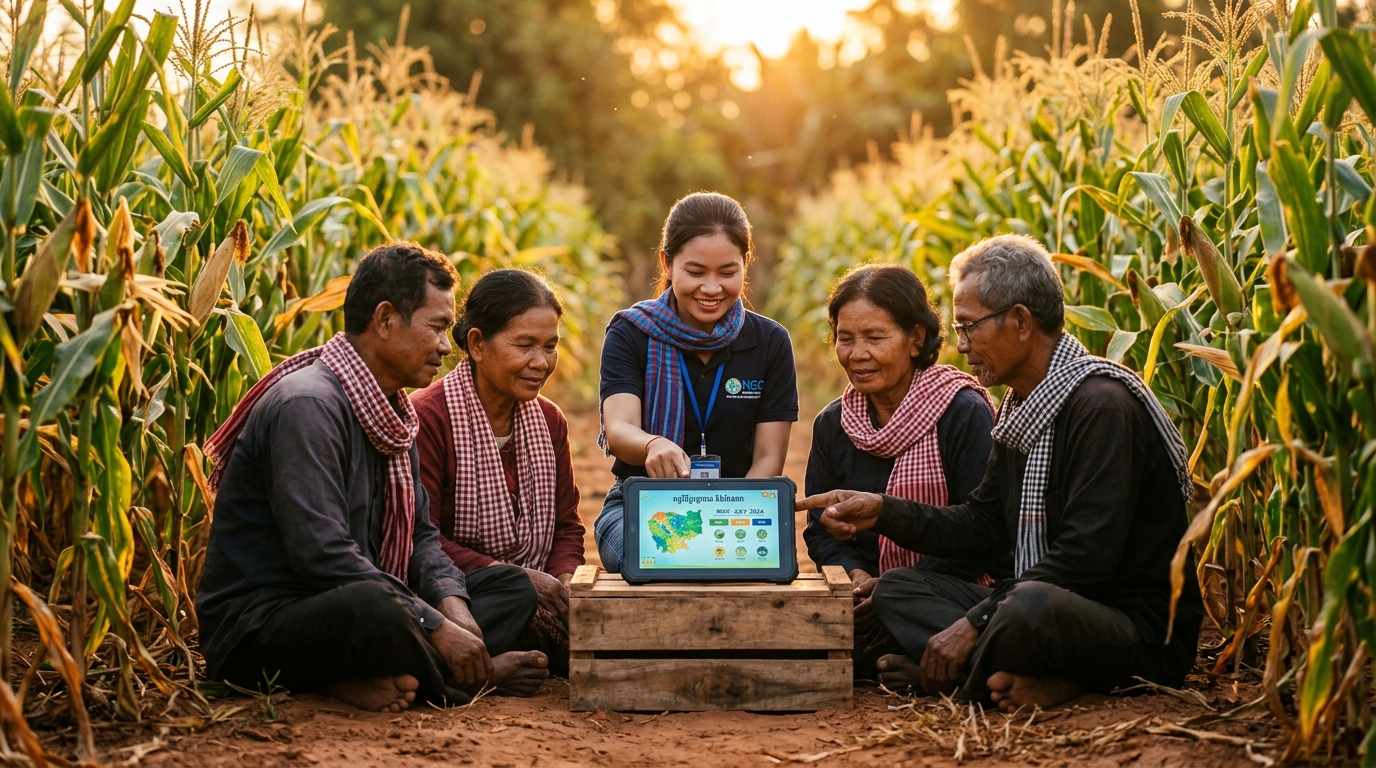
The situation is particularly acute for smallholder-dominated supply chains, which form the backbone of agriculture across much of the developing world. These systems often lack the institutional memory, standardized processes, and digital infrastructure needed to maintain the meticulous records demanded by modern importers. A single inconsistent inspection log at the county level or an error in a phytosanitary certificate can bring an entire export operation to a halt.
This new paradigm necessitates a profound shift in mindset for exporters. The goal must evolve from simply finding a buyer to becoming the most reliable, transparent, and compliant partner in the supply chain. Success is no longer measured by the number of purchase orders received, but by the ability to deliver against them, consistently and without incident. It requires a transition from a reactive, problem-solving approach to a proactive, system-building one. Proactive compliance functions as "shipment insurance," reducing the risk of rejection, expediting port clearance, and fostering stronger, more durable partnerships. For exporters targeting premium global markets, understanding that the supply chain is the true competitive advantage is the first and most crucial step toward achieving long-term, sustainable success. The era of relying on charm, low prices, or product uniqueness alone is fading; the future belongs to the well-systematized.
In the contemporary global agricultural trade landscape, the ability to deliver a consistent volume of reliably sourced products is a foundational pillar of an export-ready supply chain. While product quality and price remain important, they are insufficient on their own. International buyers operate on tight margins and demanding retail schedules, requiring suppliers who can provide predictable output to ensure continuous shelf availability and efficient production planning. This demand for reliability stems from the fact that a single failed shipment can have cascading negative effects, including financial losses, reputation damage, and the permanent loss of a valuable partnership. Therefore, robust production planning is not merely an operational function; it is a strategic imperative that builds trust and secures long-term contracts.
A prime example of successful production planning leading to sustained export success is found in Kenya's horticulture sector, as well as the massive contract farming networks in Brazil's soy and poultry industries. Contract farming establishes formal agreements between large-scale buyers and both individual farmers and cooperatives. These contracts often specify crop types, quality standards, delivery schedules, and guaranteed off-take arrangements, creating a stable and predictable supply chain. This model effectively bridges the gap between fragmented smallholder farms and the centralized demands of international supermarkets, ensuring a steady flow of produce throughout the year.
Beyond formal contractual agreements, proactive communication about seasonal cycles is another critical component of production planning. Ethiopia provides an excellent case study with its coffee industry, mirroring similar harvest calendar transparency seen in Colombia and Vietnam. Recognizing the importance of aligning production calendars with the needs of international buyers, national authorities publish detailed harvest calendars. By providing this information publicly, producing nations enable buyers to plan their procurement strategies, budget allocations, and logistics schedules far in advance. This transparency reduces uncertainty and signals a level of professionalism that transforms the relationship from a reactive transactional one to a forward-looking, collaborative partnership.
However, achieving this level of consistency is very challenging, especially for smallholder-dominated supply chains prevalent across the Global South. Smallholder farmers often operate on a fragmented basis, with varying land sizes, cultivation techniques, and harvest times, making aggregation and standardization difficult. Infrastructure deficits, such as poor road networks and unreliable electricity, further complicate logistics and post-harvest handling. To address these issues, innovative business models and institutional support are emerging. Regional initiatives, such as the AfCFTA’s Guided Trade Initiative backed by the African Development Bank, or similar rural infrastructure programs supported by the Asian and Inter-American Development Banks, are helping to establish solar-powered cold storage networks and aggregation hubs. These interventions aim to create the physical and organizational structures necessary to aggregate smallholder supply into consistent, export-ready lots.
Strategy | Description | Case Study / Example |
|---|---|---|
Contract Farming | Formal agreements between buyers and farmers/cooperatives that guarantee off-take and standardize production. | Kenya & Brazil: Success stories where contract farming ensures a consistent, standardized supply of produce and grains for export. |
Harvest Calendar Publishing | Proactive communication of seasonal harvest windows to help buyers plan procurement and logistics. | Ethiopia, Colombia, Vietnam: National authorities publish harvest calendars, enhancing transparency and buyer partnership. |
Forward Booking Agreements | Buyers commit to purchasing future harvests, locking in price and volume for producers. | Global Coffee & Cocoa Sectors: Forward booking provides producers with financial security and buyers with supply certainty. |
Aggregation Hubs | Establishing collection points that consolidate produce from multiple smallholders to create larger, uniform lots. | Global South: Solar-powered cold storage hubs supported by multilateral development banks to improve smallholder aggregation. |
Public-Private Partnerships (PPPs) | Collaboration between governments and private entities to build infrastructure and streamline processes. | Tanzania & Southeast Asia: Export accelerators that align national standards with international requirements to facilitate trade. |
Ultimately, the objective of production planning is to align the entire value chain with the specific requirements of each target market. For exporters in developing countries seeking to succeed in 2026–2027, investment in production planning is a fundamental prerequisite for building a sustainable and profitable export business.
Quality management in modern agricultural export has transcended the simple assessment of a product's final condition. It is now understood as a comprehensive, auditable, and documented system that governs every stage of the value chain. This evolution is driven by stringent government regulations, heightened consumer awareness, and the internal risk-management policies of multinational buyers. Failure to adhere to these standards results not in minor quality deductions, but in complete shipment rejections, severe financial penalties, and the permanent loss of market access. The period of 2026–2027 is particularly significant, as it marks the enforcement of several landmark regulations that will raise the bar for all participants in the global food supply chain.
Two of the most influential regulatory frameworks shaping quality management globally are the European Union's Deforestation Regulation (EUDR) and the United States' Food Safety Modernization Act (FSMA). The EUDR, with staggered implementation deadlines of December 30, 2026, for medium-sized operators and June 30, 2027, for micro and small enterprises, mandates that commodities like coffee, cocoa, soy, and rubber placed on the EU market must be free from deforestation. The U.S. FSMA, specifically Section 204, introduces a Food Traceability Rule that requires lot-level tracking for high-risk foods. Furthermore, the EU's Corporate Sustainability Due Diligence Directive (CSDDD) is strengthening corporate accountability by requiring companies to mitigate social and environmental impacts across their entire value chains. Collectively, these frameworks create an integrated compliance environment where every participant must demonstrate transparency.
Regulation / Framework | Jurisdiction | Key Requirements for Exporters | Implementation Timeline |
|---|---|---|---|
EU Deforestation Regulation (EUDR) | European Union | Provide precise geolocation data (polygon mapping) for source plots; demonstrate compliance with local laws; submit a Due Diligence Statement (DDS). | Medium Operators: Dec 30, 2026SMEs: Jun 30, 2027 |
US Food Traceability Rule (FSMA 204) | United States | Maintain lot-level traceability records for foods on the FDA's list; document Key Data Elements (KDEs) at Critical Tracking Events (CTEs). | Compliance: Jul 20, 2028 |
FDA Quality Management System Regulation (QMSR) | United States | Implement a risk-based quality management system, including enhanced supplier controls. | Enforcement Begins: Feb 2, 2026 |
Corporate Sustainability Reporting Directive (CSRD) | European Union | Mandates extensive corporate reporting on sustainability performance, including environmental and social impacts. | Phased rollout beginning in 2025 |
China GACC Decree 248 | China | Enterprise registration; lot traceability back to production source; documentation of food safety systems. | Enforced |
For exporters in emerging economies, navigating this complex regulatory landscape presents both a significant challenge and an opportunity. The challenge lies in the immense effort and investment required to build the necessary record-keeping systems, particularly for smallholder-dominated sectors. However, the opportunity lies in leveraging this transition as a competitive advantage. Exporters who proactively invest in quality management systems, achieve certifications like GLOBAL G.A.P., and master the art of compliance can differentiate themselves and secure long-term contracts with risk-averse buyers willing to pay a premium for certainty.
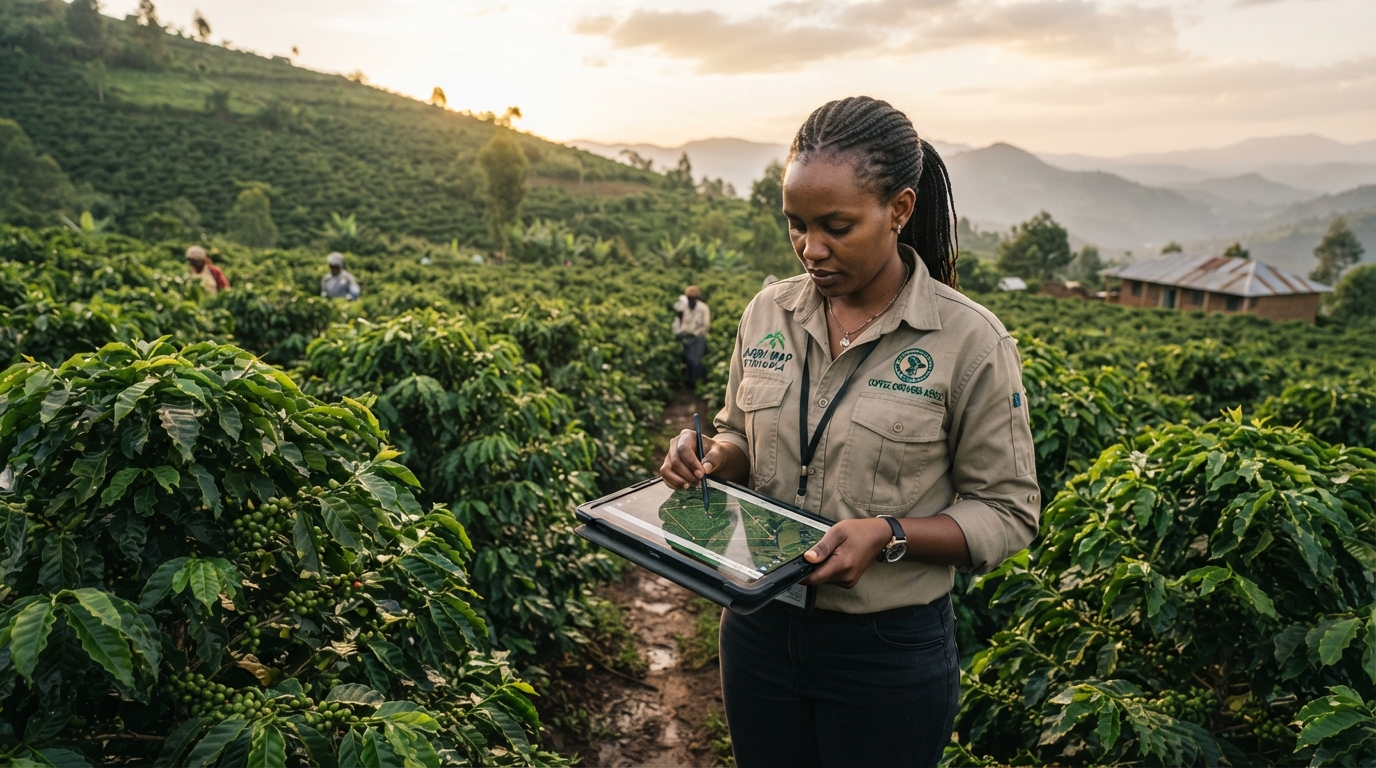
Traceability has undergone a dramatic evolution, transitioning from a voluntary tool for brand marketing to a mandatory gateway for market access. The most potent driver of this change is the EUDR, which requires "plot-level" traceability. This is a monumental logistical challenge, especially for commodities like coffee, cocoa, and palm oil, which are often sourced from vast, dispersed smallholder farms across Latin America, Africa, and Southeast Asia where land boundaries may be informal and records paper-based.
The stakes for producers in the Global South are exceptionally high. In certain key producing regions, it is estimated that only around 15% of businesses currently meet the European Union's stringent traceability requirements, placing billions of dollars in potential export revenue at risk.
In response, nations are taking decisive action to build national-level traceability infrastructure. Vietnam stands out as a positive example, launching a unified digital platform to manage origin-related information for all agricultural products. Similarly, in Africa, Ethiopia and Rwanda are actively developing digital traceability platforms for their coffee sectors, while nations in Latin America are deploying comparable systems for cocoa and bananas. These national efforts signal a strategic recognition that traceability is a collective good that strengthens the entire sector.
Effective traceability systems are built on five core components:
Farm-Level Identity and Mapping: Assigning unique identifiers to each plot and mapping them with GPS coordinates.
Lot Identification: Creating a unique identifier for each batch of product at every transfer point.
Document Management: Linking all relevant documents (e.g., pesticide sheets, phytosanitary certificates) directly to specific lots.
Digital Records: Moving away from paper-based systems to digital platforms that allow for real-time data entry and retrieval.
Audit-Ready Reporting: Ensuring the system can clearly answer: Where did it come from? Who handled it? What happened? What documents support this?
Destination Market | Key Traceability Regulation | Core Requirement for Exporters | Relevant Commodities |
|---|---|---|---|
European Union | EU Deforestation Regulation (EUDR) | Precise geolocation (polygon mapping) for source plots; due diligence records; submission of a DDS. | Cattle, Cocoa, Coffee, Palm Oil, Rubber, Soy, Wood. |
United States | Food Traceability Rule (FSMA 204) | Lot-level traceability records; documentation of KDEs at CTEs. | High-risk foods. |
United Kingdom | Environment Act | Due diligence systems for forest-risk commodities; evidence of legal sourcing. | Forest-risk commodities. |
China | GACC Decree 248 | Enterprise-level registration; lot traceability back to production source. | Broadly applicable. |
GCC | National Food Safety Laws | Origin labelling; halal certification chain of custody. | Food, supplements, cosmetics. |
For exporters across developing nations, the path to compliance is paved with challenges, including high costs and the sheer complexity of mapping thousands of smallholdings. However, successfully navigating this transition unlocks access to premium markets and builds stronger, more resilient partnerships with international buyers.
While planning and traceability provide the strategic foundation, the physical and administrative execution of logistics and documentation forms the tangible backbone of an export-ready supply chain. For perishable agricultural goods, which constitute a significant portion of exports from the Global South, the integrity of the cold chain is paramount.
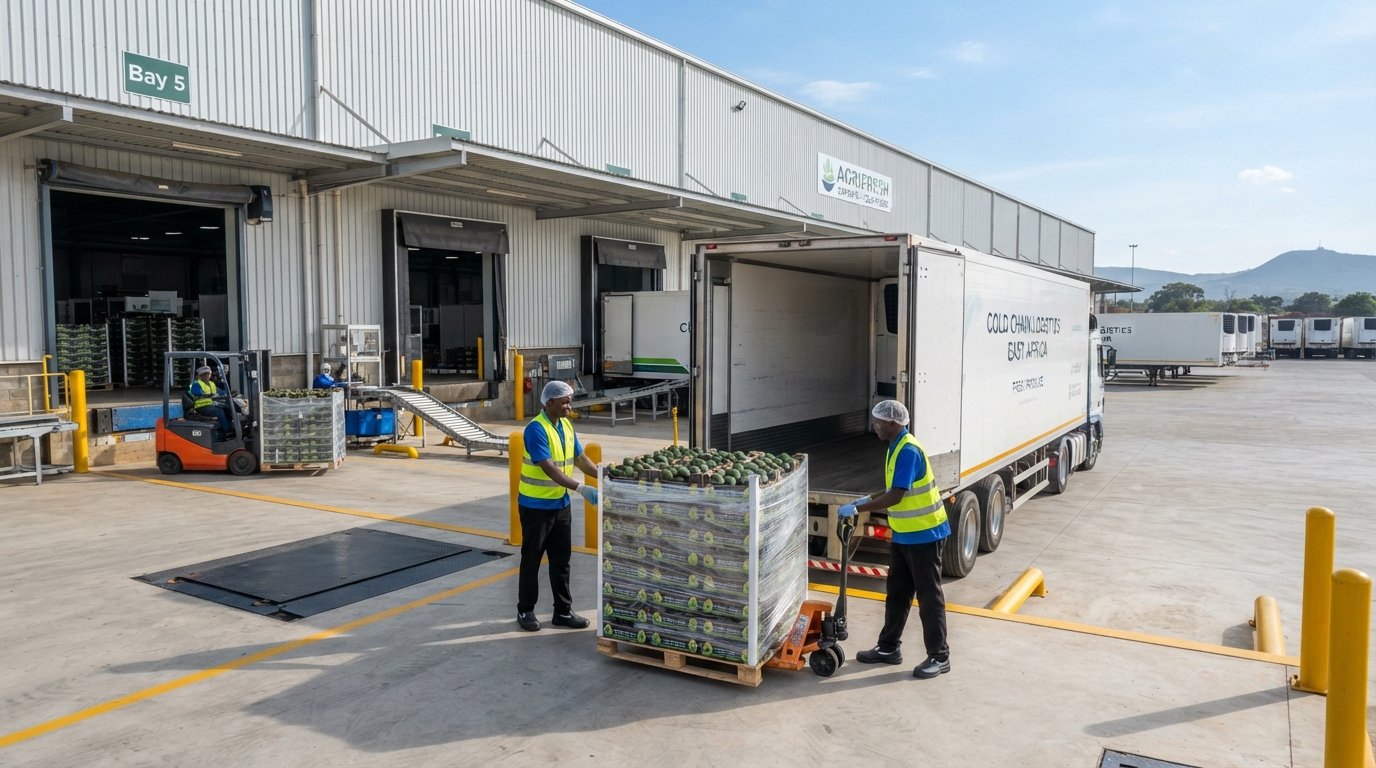
The critical importance of maintaining an unbroken cold chain is clearly demonstrated by studies of fruit export industries in regions like South Africa and Latin America. Analyses of refrigerated export containers frequently reveal that the most common point of failure is the transfer stage between the cold store and the transport truck. Fruit pallets, retaining residual field heat, are often exposed to elevated ambient temperatures while awaiting loading. As a result, a vast majority of cold chain interruptions occur at the loading dock interface. A refrigerated container is designed to maintain the temperature of pre-cooled produce, not to remove heat from freshly harvested fruit.
Recognizing these challenges, significant investments are being made to strengthen cold chain infrastructure in key export corridors across East Africa, Southeast Asia, and the Americas. Technology is playing a crucial role; the deployment of IoT sensors allows for instant alerts if temperature deviations occur. Despite these advances, domestic cold chain infrastructure in many developing regions remains severely underdeveloped compared to its export-oriented counterpart, with post-harvest losses for perishables estimated at 30-50%.
Alongside physical logistics, the administrative backbone of documentation is equally critical. The export process involves a complex flow of documents, and errors at any stage can be fatal to a shipment. Exporting to different regions requires navigating a labyrinth of specific certifications (e.g., SASO in Saudi Arabia, FDA in the US, or specific phytosanitary protocols for the EU and UK). Failure to navigate this can lead to shipment refusal and significant financial penalties.
Component | Description | Common Failure Points | Potential Solutions |
|---|---|---|---|
Cold Chain Management | Maintaining optimal temperature throughout the supply chain. | Temperature breaks at loading docks; inadequate pre-cooling; power outages. | Pre-cooling facilities; optimized loading procedures; solar-powered cold rooms; IoT monitoring. |
Port and Border Logistics | Efficient movement of goods through ports and across borders. | Long dwell times; customs delays; incorrect documentation. | Port automation; dedicated cold chain lanes; streamlined customs processes; digital documentation. |
Documentation Flow | Preparation and submission of all required export/import documents. | Errors in phytosanitary certificates, packing lists, or commercial invoices. | Digital document management systems; standardized formats (e.g., GS1); close collaboration with customs brokers. |
Packaging Standards | Packaging that protects the product and meets destination market requirements. | Inadequate protection; non-compliant materials; failure to meet labeling rules. | Investment in graded, protective packaging; compliance with buyer-specific and regional labeling guidelines. |
The period of 2026–2027 represents a pivotal juncture for agricultural exporters in emerging economies, characterized by a volatile mix of formidable challenges and unprecedented opportunities. Navigating this landscape requires a strategic shift from reactive adaptation to proactive system-building.
One of the most significant near-term opportunities for the Global South is the expansion of preferential trade policies, such as China's zero-tariff initiative, which took effect on May 1, 2026, for dozens of developing nations across Africa, Asia, and beyond. This initiative eliminates tariffs on 100% of tariff lines for these nations, removing a major price barrier. However, success is conditional; exporters must focus on moving up the value chain by processing goods locally, improving standards, and building strong brands.
Another major opportunity lies in leveraging regional trade agreements to boost intra-regional trade. Mega-blocs like the African Continental Free Trade Area (AfCFTA), Mercosur in South America, and ASEAN in Southeast Asia are streamlining cross-border commerce, reducing non-tariff barriers, and improving market access. Furthermore, increased financial support from multilateral institutions like the African Development Bank (AfDB), the Asian Development Bank (ADB), and the Inter-American Development Bank (IDB) is addressing critical bottlenecks in trade finance and logistics infrastructure.
To navigate this environment, exporters must adopt a systematic approach:
Conduct a Five-Pillar Self-Assessment: Audit current capabilities against the five pillars to identify gaps in traceability, quality, and logistics.
Prioritize Investment in Digital Traceability: Start with basic GPS mapping apps and scale to integrated farm management platforms.
Build Collaborative Partnerships with Buyers: Engage buyers early to understand their specific data requirements and explore pilot projects.
Develop a Phased Implementation Plan: Prioritize actions based on the most critical market access needs (e.g., EUDR for Europe, GACC for China).
Focus on Value Addition and Branding: Invest in local processing to capture a larger share of the final consumer margin.
To successfully navigate international markets, exporters must master the specific biological, chemical, and regulatory requirements of their chosen crops. Below is a targeted compliance checklist for major export commodities from developing countries.
☐ Phytosanitary Certificate: Issued by the national plant protection organization (NPPO).
☐ Certificate of Origin (CoO): Required to claim preferential tariff rates under trade agreements. ☐ Fumigation Certificate: Proof of treatment against storage pests.
☐ Pre-Shipment Inspection Report: Quality, quantity, and weight certification from a recognized third-party agency.
☐ Commercial Documents: Commercial Invoice, Packing List, and Bill of Lading / Airway Bill.
☐ Importer Registration: Proof that the destination buyer is registered with their local food safety authority.
Primary Risks: Mycotoxins, GMOs, Moisture.
Quality: Moisture strictly ≤ 13-14%; Aflatoxin testing below destination limits; Foreign matter grading.
Regulatory: GMO / Non-GMO Certification (PCR lab test required for Non-GMO); Pest Free Status declarations.
Primary Risks: Deforestation, Pesticide Residues, GMO Status.
Quality: Protein/Oil content thresholds; Moisture ≤ 13%; MRL compliance for herbicides (e.g., Paraquat banned in EU).
Regulatory: EUDR Compliance (Polygon mapping and DDS proving zero deforestation post-2020); China GACC Registration.
Primary Risks: Cyanide Toxicity, Heavy Metals, Spoilage.
Quality: Cyanide (HCN) below safe thresholds; Starch content ≥ 70%; Moisture ≤ 12-13%.
Regulatory: Clear labeling separating food-grade vs. industrial-grade; Heavy metal testing (lead, cadmium) for EU/North America.
Primary Risks: Salmonella, Ethylene Oxide, Physical Purity.
Quality: Purity level (e.g., 99.9% Machine Cleaned); Strict microbiological testing (zero tolerance for Salmonella in EU/US).
Regulatory: Ethylene Oxide (EtO) Testing (EU zero-tolerance policy of 0.05 mg/kg); Strict adherence to organophosphate MRLs.
Primary Risks: Deforestation, Child Labor, Heavy Metals, Poor Fermentation.
Quality: Fermentation cut test (≥ 70-80% brown beans); Moisture ≤ 7.5-8%; Standardized bean count.
Regulatory: Cadmium limits (EU Reg 2021/1317); EUDR & CSDDD Compliance (Polygon mapping, child labor mitigation proof); Ochratoxin A & PAHs testing.
Primary Risks: Deforestation, Ochratoxin A, Moisture, Cup Quality.
Quality: Moisture 10-12%; Water Activity ≤ 0.60; Physical defect count; Q-Grader cupping score (80+ for specialty).
Regulatory: EUDR Geolocation Data (Exact GPS polygons/points uploaded to EU system); Pesticide residue testing; FDA FSMA 204 for US market.
Primary Risks: Heavy Metals, Pesticides (Tricyclazole), Moisture.
Quality: Moisture ≤ 14%; Broken grains/milling degree grading; Strict limits on chalkiness and foreign matter.
Regulatory: Heavy metals (Arsenic/Cadmium) compliance; Tricyclazole MRL testing (zero/near-zero tolerance in EU/Japan); Phosphine residue limits.
Primary Risks: Oxidation, Mineral Oil Contamination (MOSH/MOAH), Deforestation.
Quality: FFA & Moisture limits; Oxidation metrics (Peroxide Value); Fatty acid profile via Gas Chromatography.
Regulatory: EUDR Compliance for Palm & Soy; MOSH/MOAH & 3-MCPD/GEs contaminant testing (EU); Sustainability Certification (RSPO, ISPO, MSPO).
Request the Buyer’s Specific MRL List: Supermarkets often have stricter limits than national governments.
Calibrate Moisture Meters: Ensure farm-gate and warehouse meters are calibrated against laboratory standards.
Perform a Mock Audit: Run a "dummy" shipment through your digital traceability software to ensure every pallet can be traced back to a specific farmer's GPS polygon within 2 hours.
Understanding the Five-Pillar Framework is only the first step; executing it requires the right digital infrastructure. To help exporters in developing countries navigate this complex regulatory landscape and operationalize these pillars, we are thrilled to announce the upcoming launch of Five Pillars AgriAI in October 2026.
Five Pillars AgriAI is an enterprise-grade, AI-powered platform designed specifically to transform agricultural cooperatives, agribusinesses, and SME exporters into highly reliable, compliant, and globally competitive partners. By combining specialized compliance dashboards, GPS polygon mapping, and AI-powered field tools, the platform will provide the exact digital scaffolding needed to ensure your shipments clear international customs smoothly, every single time. Whether you are preparing for the EU Deforestation Regulation (EUDR), the US FSMA Section 204, or China's GACC requirements, Five Pillars AgriAI will bridge the critical "readiness gap" between securing a buyer and successfully delivering a compliant shipment.
Stay Tuned & Secure Your Early Access
The official launch and full feature reveal will take place in October 2026. Because our initial rollout will prioritize dedicated onboarding and technical support, access for our first cohort of users will be strictly limited.
We invite forward-thinking exporters, producer cooperatives, and agribusinesses across the Global South to stay tuned and pre-register for our exclusive waiting list today. Join the waitlist to be among the first to access the platform, secure early-adopter advantages, and future-proof your supply chain before the major 2026–2027 regulatory deadlines hit.
👉 Join the Five Pillars AgriAI Early Access Waiting List Here https://adalidda.com/en/fivepillars
Five Pillars AgriAI is more than a software platform; it is a global supply chain resilience initiative. Ahead of our September launch, we are actively seeking visionary Early Sponsors and Impact Champions, multinational FMCG buyers, ESG-focused investment funds, international development agencies, and global agribusinesses—to partner with us in shaping the future of sustainable trade.
By securing an early sponsorship tier, your organization can:
Secure Your Upstream Supply Chain: Act as an upstream incubator by funding the compliance and traceability infrastructure of your future supply base, directly mitigating Scope 3 risks and ensuring a steady pipeline of audit-ready produce.
Drive Measurable ESG & CSR Impact: Subsidize digital adoption for smallholder cooperatives through our "Adopt-a-Cooperative" model, empowering farmers in the Global South to meet stringent EUDR and FSMA standards while protecting local livelihoods.
Gain Premium Brand Visibility: Position your brand as a foundational champion of agricultural innovation, with exclusive branding opportunities across our Web Command Center and Android Field App, reaching thousands of exporters, agronomists, and decision-makers.
Tier | Slots | Benefits |
|---|---|---|
💎 Exclusive Sponsors | 3 max | Full-width banners, rotating hero, LinkedIn posts, "Powered By" QR watermarking |
🥇 Gold Sponsors | 5 max | Premium app carousel, web footer logo, partner directory, social media spotlight |
🥈 Silver Sponsors | 10 max | Logo in sponsor grid, web directory listing, event branding |
🌍 Impact & Adoption Sponsors | Open | "Adopt-a-Cooperative" model, subsidized subscriptions, ESG impact dashboard |
📧 Interested in aligning your brand with the future of global food security?
Contact us at https://adalidda.com/en/fivepillars
Category | Opportunity / Challenge | Description | Strategic Implication |
|---|---|---|---|
Market Access | Opportunity: Zero-Tariff & Preferential Policies (May 2026) | Eliminates tariffs for dozens of developing nations, opening massive new markets in China and beyond. | Requires investment in quality, packaging, and logistics; a catalyst for value chain upgrading. |
Regulatory Landscape | Challenge: EU Deforestation Regulation (EUDR) | Staggered deadlines (Dec 2026/June 2027) require plot-level geolocation data. | Mandates urgent investment in digital traceability; failure risks exclusion from the EU market, representing a multi-billion-dollar risk for the Global South. |
Infrastructure | Progress: Cold Chain Investments | Significant investments in cold storage, transport, and port efficiency are underway across emerging economies. | Reduces post-harvest losses and improves product quality, but high costs limit access for smallholders. |
Financial Support | Opportunity: Increased Development Finance | Multilateral institutions (AfDB, ADB, IDB) are increasing support to close the trade finance gap. | Provides crucial capital for private sector investment in supply chain infrastructure and technology. |
Value Capture | Opportunity: Moving Up the Value Chain | Strong push from UNCTAD and regional bodies to shift from raw commodity exports to processed goods. | Increases profitability and creates more jobs by capturing a larger share of the final consumer price. |
Systemic Issues | Challenge: Fragmentation and Capacity Gaps | Highly fragmented smallholder systems struggle with standardization, record-keeping, and accessing technology. | Requires coordinated efforts through cooperatives, PPPs, and targeted training programs to build collective capacity. |
In conclusion, the period 2026–2027 represents a defining moment for agricultural exporters across the developing world. The convergence of increasingly stringent international regulations, rising buyer expectations, and expanding market opportunities is reshaping the global trading environment. While these developments will place unprecedented demands on exporters, they also create significant opportunities for those prepared to adapt.
The exporters that will succeed are those that embrace a fundamental shift in strategy, from focusing primarily on acquiring buyers to building resilient, transparent, and export-ready supply chains. By systematically strengthening the five pillars of an export-ready value chain—production planning, quality management, traceability, logistics, and regulatory compliance—businesses can move beyond transactional trading and establish themselves as trusted, long-term partners in global markets.
Rather than viewing compliance as a cost or regulatory burden, forward-looking exporters will recognize it as a strategic investment that enhances competitiveness, reduces commercial risk, and increases buyer confidence. Those who make this transition will not only preserve access to the world's most demanding markets but will also position themselves to capture new opportunities, command greater customer loyalty, and build sustainable, profitable export enterprises for years to come.
By Kosona Chriv
Co-Founder, Chief Operating Officer and Chief Sales and Marketing Officer
WhatsApp: +234 904 084 8867
LinkedIn: linkedin.com/in/kosona
Deko Integrated & Agro Processing Ltd
IDUBOR HOUSE, No. 52 Mission Road (by Navis St.)
Benin City, Edo State, Nigeria | RC 1360057
Web site https://dekoholding.com
LinkedIn Group “Five Pillars AgriAI” https://www.linkedin.com/groups/37080204/
Join the Five Pillars AgriAI waiting list today and be among the first to experience the future of AI-powered agriculture: https://adalidda.com/en/fivepillars
Our WhatsApp channel https://whatsapp.com/channel/0029Va9I6d0Dp2Q2rJZ8Kk0x
African Development Bank (AfDB). (2024). African trade finance gap report: Addressing the $100 billion deficit and infrastructure investments. Abidjan: AfDB. [1, 170, 196, 202] URL: https://www.afdb.org/en/topics-and-sectors/initiatives-partnerships/africa-trade-finance-gap-report
Afreximbank. (2024). Africa trade report: Leveraging AfCFTA and Asian markets for agricultural export growth. Cairo: African Export-Import Bank. [69] URL: https://www.afreximbank.com/research-publications/
Citrus Growers Association of Southern Africa (CGA). (2023). Annual export logistics and phytosanitary compliance report. Durban: CGA. [101] URL: https://www.cga.co.za/
European Commission. (2023). Regulation (EU) 2023/1115 of the European Parliament and of the Council on the making available on the Union market and the export from the Union of certain commodities and products associated with deforestation and forest degradation (EUDR). Official Journal of the European Union. [3, 4, 5, 9, 10, 20, 46] URL: https://eur-lex.europa.eu/legal-content/EN/TXT/?uri=CELEX:32023R1115
European Commission. (2024). Corporate Sustainability Due Diligence Directive (CSDDD) and Corporate Sustainability Reporting Directive (CSRD): Guidelines for global supply chains. Brussels: EU Publications. [6] URL: https://commission.europa.eu/business-economy-euro/doing-business-eu/corporate-sustainability/sustainability-disclosure/corporate-sustainability-reporting-directive_en
Ethiopian Coffee and Tea Authority (ECTA). (2024). National coffee harvest calendar and export traceability guidelines. Addis Ababa: ECTA. [21, 22, 107, 119] URL: https://ecta.gov.et/
Ethiopian Ministry of Agriculture. (2024). Strategic framework for cold chain ecosystem development in fresh produce exports. Addis Ababa: Government of Ethiopia. [18] URL: https://www.moa.gov.et/
Food and Agriculture Organization of the United Nations (FAO). (2022). Global food losses and food waste: Extent, causes and prevention (Update on Sub-Saharan cold chain infrastructure). Rome: FAO. [16, 19] URL: https://www.fao.org/food-loss-and-food-waste/en/
Fortune Business Insights. (2024). Food traceability market size, share & COVID-19 impact analysis, forecast, 2024-2035. Pune: Fortune Business Insights Pvt. Ltd. [49, 50, 52] URL: https://www.fortunebusinessinsights.com/industry-reports/food-traceability-market-103886
GCC Standardization Organization (GSO). (2023). Technical regulations for Halal food and cosmetic certification and supply chain custody. Riyadh: GSO. [116, 133] URL: https://www.gso.org.sa/
GIZ (Deutsche Gesellschaft für Internationale Zusammenarbeit). (2023). Digital traceability in the Ethiopian and Rwandan coffee sectors: Aligning with EUDR requirements. Bonn/Berlin: GIZ. [22, 119] URL: https://www.giz.de/en/what-we-do/global-programme-responsible-supply-chains.html
International Trade Centre (ITC). (2023). SME competitiveness outlook: Building resilient and documented agricultural supply chains. Geneva: ITC. [14, 77, 78] URL: https://www.intracen.org/resources/publications/sme-competitiveness-outlook
Mercer, T., et al. (2021). Temperature breaks in the fresh fruit export cold chain: A South African case study. Postharvest Biology and Technology, 172, 111382. [15, 17] URL: https://www.sciencedirect.com/journal/postharvest-biology-and-technology
Nigerian Export Promotion Council (NEPC). (2024). Sesame seed export quality, rejection analysis, and trade finance implications. Abuja: NEPC. [150] URL: https://www.nepc.gov.ng/
UK Department for Environment, Food & Rural Affairs (DEFRA). (2024). Importing plants and plant products into Great Britain: Phytosanitary and pre-notification guidelines. London: UK Government. [2] URL: https://www.gov.uk/guidance/importing-plants-and-plant-products-to-great-britain
UNCTAD. (2024). China’s zero-tariff treatment for African nations: Opportunities for value addition and market access. Geneva: United Nations Conference on Trade and Development. [88, 89, 90, 117, 206] URL: https://unctad.org/topic/least-developed-countries/chinas-zero-tariff-treatment
U.S. Food and Drug Administration (FDA). (2022). Requirements for additional traceability records for certain foods; Final rule (FSMA Section 204). Federal Register, 87(222), 70910-70954. [53, 76, 79, 108, 114, 125, 128] URL: https://www.fda.gov/food/food-safety-modernization-act-fsma/fsma-final-rule-requirements-additional-traceability-records-certain-foods
U.S. Food and Drug Administration (FDA). (2024). Medical devices; Quality Management System Regulation (QMSR); Final rule. Federal Register, 89 FR 12345. [136, 140, 141, 175] URL: https://www.fda.gov/medical-devices/quality-systems-qs-regulationmedical-device-current-good-manufacturing-practice-cgmp/quality-management-system-regulation-qmsr
Vietnam Ministry of Agriculture and Rural Development (MARD). (2025). Launch and deployment strategy of the national agricultural traceability system. Hanoi: MARD. [44, 102, 104, 106, 118] URL: https://www.mard.gov.vn/
World Bank. (2023). Digital transformation in agri-SMEs: Evidence and impact on export quality in Sub-Saharan Africa. Washington, DC: World Bank Group. [73, 154, 156] URL: https://www.worldbank.org/en/topic/agriculture/brief/digital-agriculture
I hope you enjoyed reading this post and learned something new and useful from it. If you did, please share it with your friends and colleagues who might be interested in Agriculture and Agribusiness.
Mr. Kosona Chriv
Founder of LinkedIn Group « Agriculture, Livestock, Aquaculture, Agrifood, AgriTech and FoodTech » https://www.linkedin.com/groups/6789045/
Co-Founder, Chief Operating Officer and Chief Sales and Marketing Officer
Deko Integrated & Agro Processing Ltd
IDUBOR HOUSE, No. 52 Mission Road (by Navis St.)
Benin City, Edo State, Nigeria | RC 1360057
Chief Sales and Marketing Officer
AvecAfrica
Camino los vivitos 21,
38627- Arona
Spain
Follow-me on
✔ WhatsApp: +2349040848867 (Nigeria) +85510333220 (Cambodia)
✔ BlueSky https://bsky.app/profile/kosona.bsky.social
✔ Instagram https://www.instagram.com/kosonachriv
✔ Threads https://www.threads.com/@kosonachriv
✔ LinkedIn https://www.linkedin.com/in/kosona
✔ Facebook https://www.facebook.com/kosona.chriv
✔ Tiktok https://www.tiktok.com/@kosonachriv
WhatsApp Channel: https://whatsapp.com/channel/0029Va9I6d0Dp2Q2rJZ8Kk0x