
有用信息
联系我们

Adalidda
EnglishFrançaisEspañolItalianoPortuguês brasileiroDeutschPolskiBahasa Indonesia简体中文한국인عربيहिन्दीTiếng Việt日本語Türkçe









© 2026 Adalidda
Version 1.12.3.61 - 2026年8月 - 9月

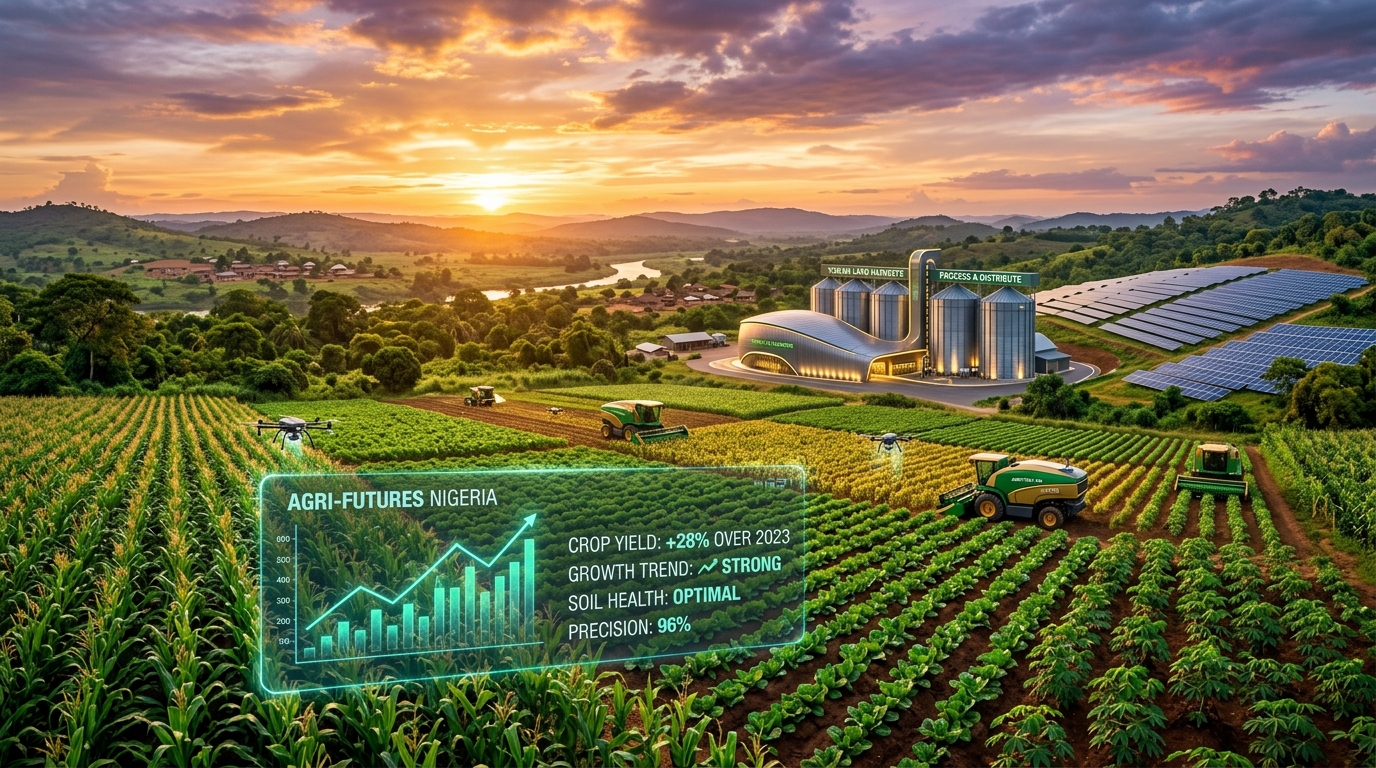
Nigeria, Africa’s most populous nation with over 220 million consumers, offers unmatched agricultural potential. According to recent data from the National Bureau of Statistics (NBS) and the World Bank, agriculture contributes approximately 24% to 25% of Nigeria's nominal GDP and employs up to 70% of the rural workforce. Crops account for 70% of Agricultural GDP, with major staples (cassava, maize, millet, rice, sorghum, yam) covering 70.8 million hectares of cultivated land.
Nigeria remains the world's undisputed leader in cassava production (~62+ million tons annually) and is a top-tier African producer of maize, rice, cocoa, and palm oil. Driven by intense domestic demand and the strategic need to stabilize foreign exchange reserves, the Nigerian government has aggressively prioritized agro-industry. This is evidenced by robust policy frameworks like the National Agriculture Tech & Innovation Policy (2022–2027) and the creation of specialized ministries for Livestock and the Marine Economy.
For global agribusinesses and institutional investors exploring Nigeria, this guide outlines the current macroeconomic realities, high-yield value chains, and strategic entry frameworks.
To invest successfully in Nigeria, one must navigate its dynamic macroeconomic environment, which has undergone historic structural reforms over the last 24 months:
GDP Growth: Nigeria's real GDP demonstrated resilience, growing by ~3.2% in mid-2024, with the agricultural sector serving as a primary stabilizer against external shocks.
Inflationary Pressures: Headline inflation surged to a 28-year high in mid-2024, reaching ~34.8% by December 2024, with food inflation peaking near 40%. While this pressures consumer purchasing power, it heavily incentivizes local food production and import substitution.
FX Liberalization & Export Competitiveness: Following the unification of the FX windows, the Naira depreciated significantly, averaging ~₦1,470/USD in 2024 and stabilizing in the ₦1,450–₦1,550/USD range into 2025/2026. While this raises the capital expenditure (CAPEX) for imported machinery, it has drastically improved the global export competitiveness of Nigerian commodities and created a highly lucrative environment for import-substitution agribusinesses.
Nigeria excels across several distinct agricultural value chains, offering diverse risk-return profiles:
Cassava: The world’s largest producer (~62+ million tons/year). Major zones include the South-South, South-West, and Middle Belt. Beyond traditional food staples (garri, fufu), there is massive untapped potential in industrial starch, high-quality cassava flour (HQCF), and ethanol blending, heavily supported by government biofuel mandates.
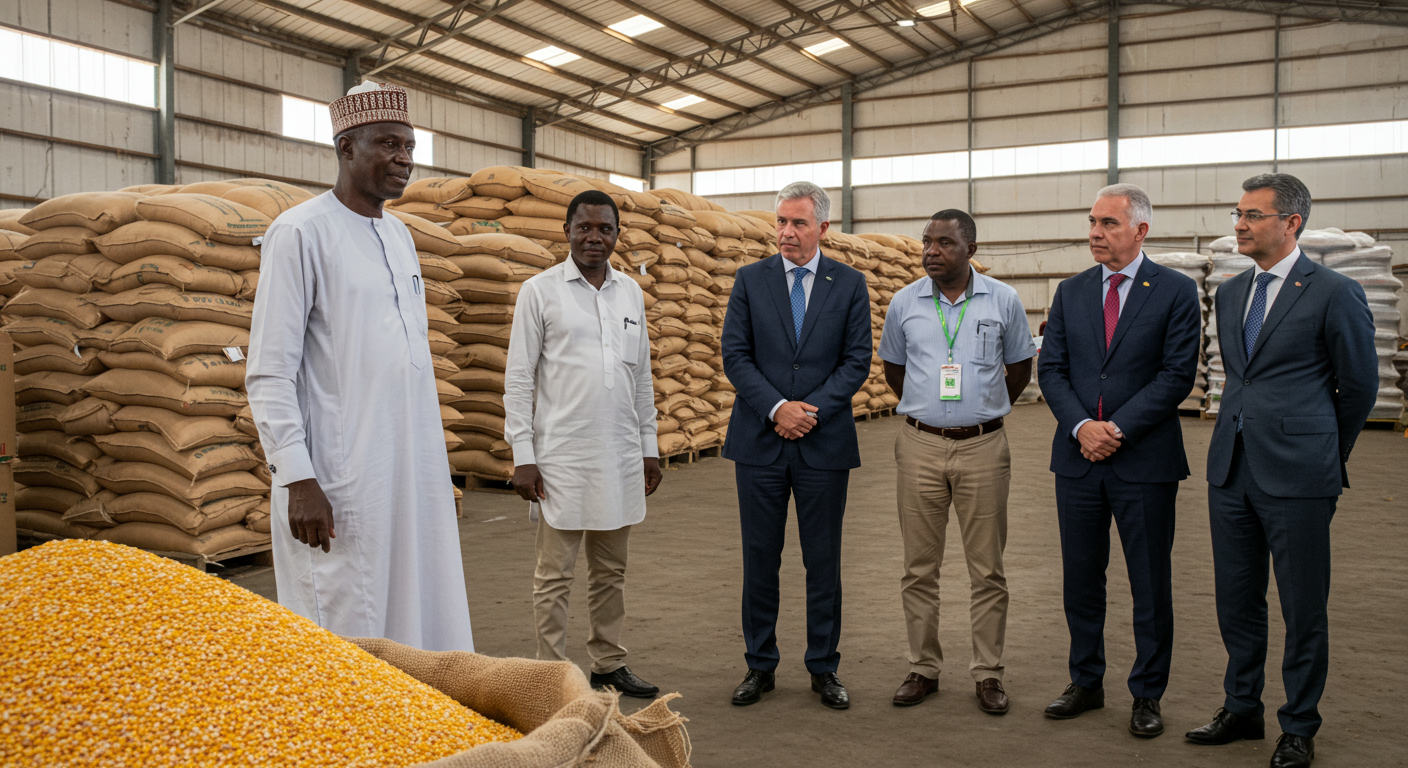
Maize: Annual output sits at ~11–12 million tons. As the fundamental feedstock for Nigeria's booming poultry and aquaculture sectors, there is an urgent demand for hybrid seeds, mechanized grain storage, and feed milling. Currency depreciation has also made Nigerian maize highly competitive in informal ECOWAS export markets.
Rice: A premier import-substitution play. Despite domestic paddy production reaching ~8–9 million tons, local demand vastly outstrips supply. The government maintains strict tariffs and border policies to spur local output. Large-scale irrigated farms integrated with modern milling facilities (e.g., Olam’s operations in Nasarawa) have proven highly viable and profitable.
Cocoa: Nigeria is the world’s 4th-largest cocoa producer (~250,000 tons/year). Compared to Ghana and Ivory Coast, Nigeria offers lower unit costs and a burgeoning domestic chocolate market. Investments in replanting aging tree stocks and local processing (beans to butter/powder/liquor) offer premium ROI potential (20–25%) for export to the EU and Asia.
Oil Palm: Historically Africa’s top producer, modern output hovers around 1.1–1.4 million tons against a domestic edible oil demand exceeding 6 million tons. This massive deficit forces over $1 billion in annual imports. Reviving legacy estates or establishing new large-scale plantations with on-site processing guarantees immediate domestic off-take.
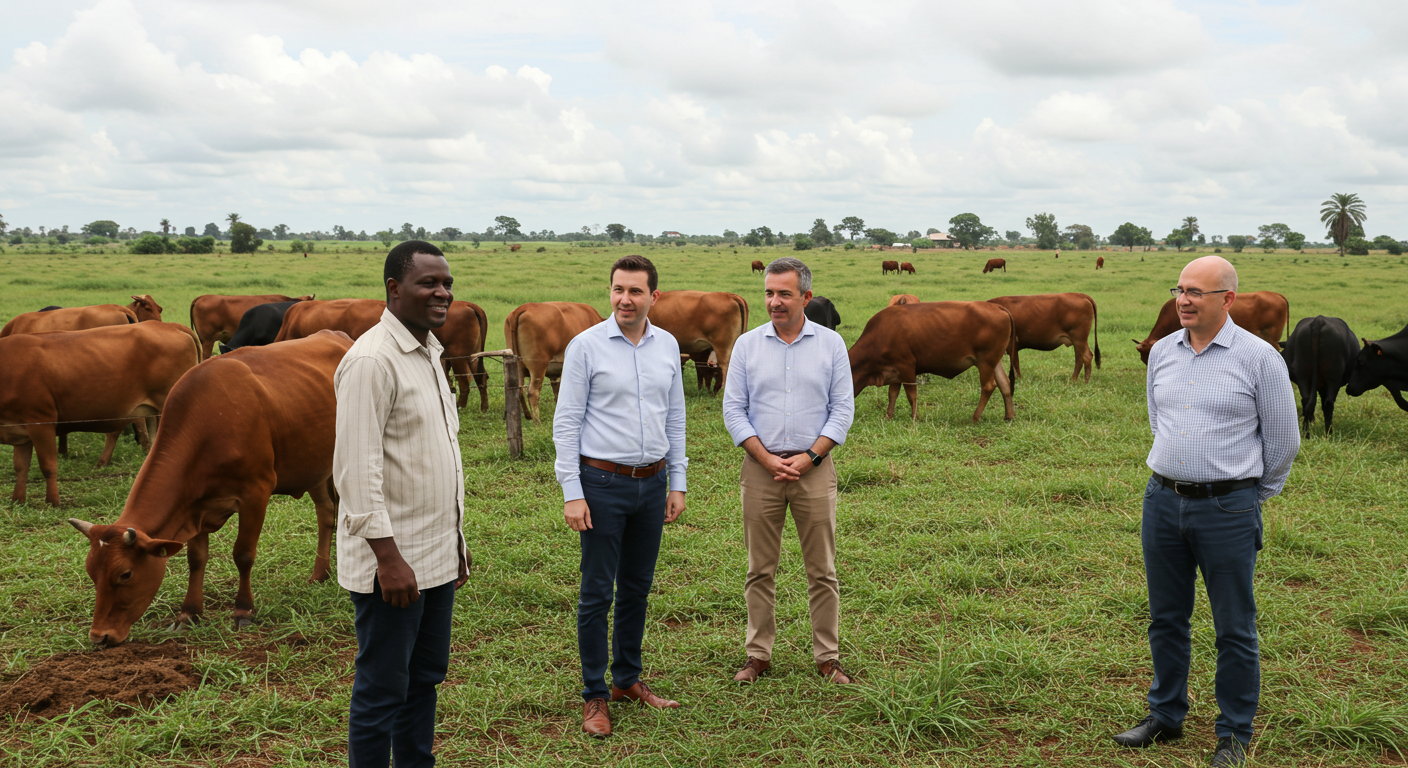
Livestock & Dairy: Nigeria holds the continent’s largest herds (~55 million cattle, 139 million goats, 685 million poultry), yet production remains largely pastoral. The transition to commercial feedlots, integrated broiler farms, and modern dairy ventures in the Northern savannas represents a multi-billion-dollar gap in the market.
Horticulture: A high-growth frontier. With expanding urban middle-class consumption and niche export demand (e.g., ginger, bitter kola, floriculture) in the UK and EU, investments in greenhouse farming and cold-chain packhouses can yield 15–30% returns if export standards are met.
Nigeria actively courts agricultural FDI with some of the most aggressive incentives in Sub-Saharan Africa:
Ownership & Tax Holidays: 100% foreign ownership is permitted. The Nigeria Investment Promotion Commission (NIPC) grants a 5-year tax holiday (Pioneer Status) for qualifying agricultural enterprises, with extensions possible.
Import & Forex Guarantees: All agricultural machinery and agro-processing equipment enter duty-free. Profits and dividends can be repatriated freely.
Concessional Finance: The government and development finance institutions (DFIs) offer credit guarantees (e.g., NIRSAL covering up to 75% of bank loans) and interest repayment schemes for specific value chains like cassava and maize.
Special Agro-Industrial Processing Zones (SAPZ): Backed by the African Development Bank (AfDB), the SAPZ initiative has earmarked contiguous tracts of land in multiple states with dedicated infrastructure (power, water, roads), bypassing traditional land-tenure bottlenecks.
Land Tenure: All land is ultimately state-owned. Investors typically secure 25-to-50-year leases via state governments or through joint ventures with local communities, particularly within SAPZ hubs.
Risk Factor | Context | Mitigation Strategy |
|---|---|---|
Political / Economic | High inflation and occasional policy flip-flops (e.g., sudden import bans). | Denominate export contracts in USD; utilize ICC arbitration clauses; invest via local subsidiaries to share risk. |
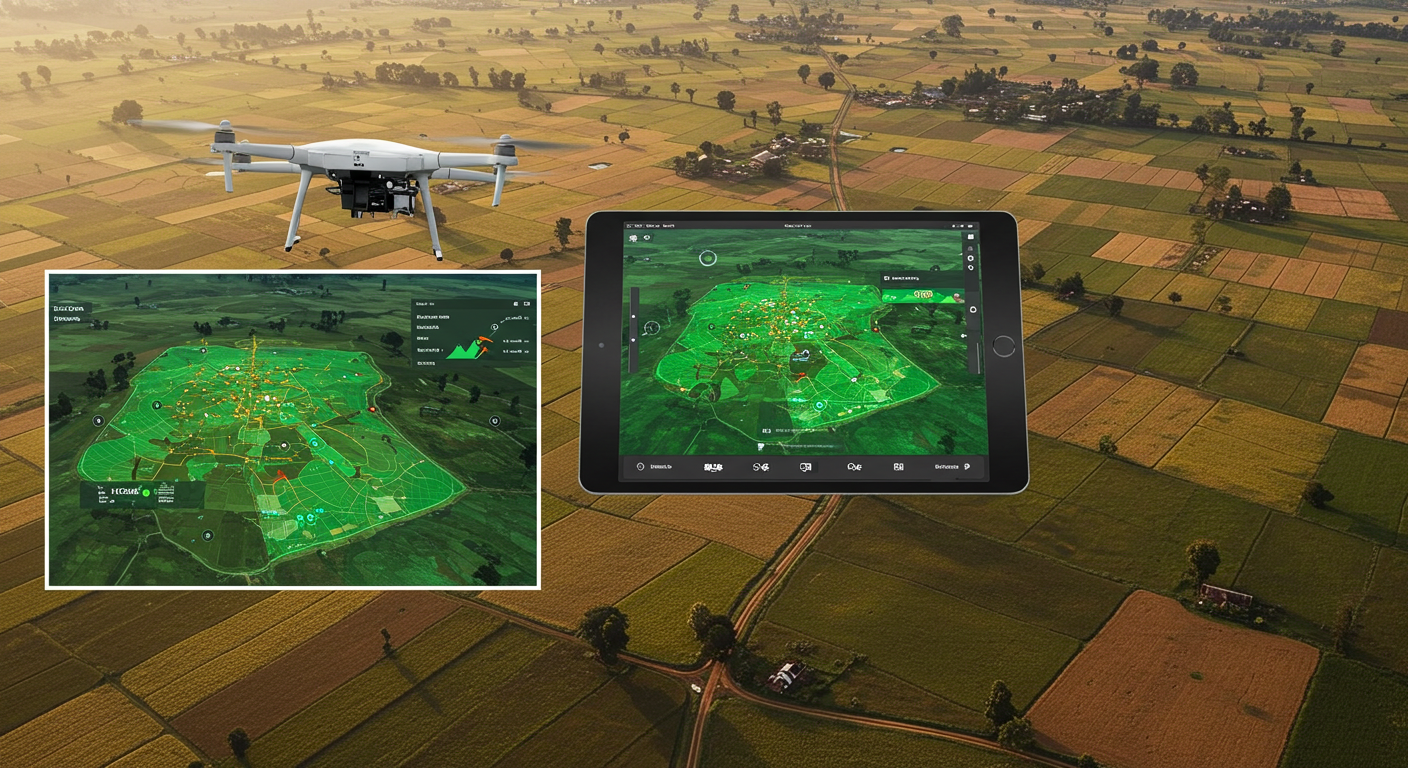
Security | Banditry in parts of the North-West and Middle Belt. | Locate mega-farms in stabilized zones or southern states; utilize closed-compound security, drone surveillance, and deep community integration/job creation. |
Supply Chain | High post-harvest losses due to poor cold-chain logistics. | Mandate on-site processing (e.g., drying, milling), invest in modular cold storage, and partner with ag-logistics tech startups. |
Regulatory | Bureaucratic delays in permitting and land allocation. | Partner with seasoned local advisory firms; leverage the NIPC’s One-Stop Investment Centre; align projects with state-level SAPZ frameworks. |
Olam Nigeria (Rice & Outgrowers, Nasarawa): Olam established an integrated 6,000-hectare irrigated rice estate alongside a 36,000-ton capacity mill. By pairing their nucleus farm with thousands of smallholder outgrowers, providing them with inputs and guaranteed off-take, Olam drastically increased local yields and bridged the national import gap.
Okomu Oil Palm (SOCFIN Group, Ondo/Edo): Originally established in 1976, Okomu was scaled by the international SOCFIN Group into a highly mechanized 19,000-hectare oil palm and 7,300-hectare rubber operation. It exemplifies how foreign capital and agronomic expertise can rehabilitate legacy plantations to dominate domestic edible oil markets while exporting rubber globally.
Kaduna–China Mega Poultry Project (2025/2026): In November 2025, Kaduna State officially launched a $450 million strategic joint venture with Chinese partners to develop 10,000 hectares of integrated maize, soybean, and poultry facilities. The project, which broke ground in late 2025, aims to create over 350,000 indirect jobs. By early 2026, discussions expanded toward a $900 million phase to massively boost national egg and protein production, proving Nigeria's capacity to absorb and scale mega-FDI in the agro-livestock space.
Sesame & Cashew Export Hubs: Smaller FDI flows ($1 million–$10 million) into high-value niche crops in Kano and Kaduna have yielded massive returns (20–30% ROI). These typically involve toll-manufacturing agreements and technical support for local farmers, aggregating high-quality seeds for export to Asia and the Middle East.
Months 0–6 (Feasibility & Structuring): Conduct soil, climate, and off-taker studies. Engage the NIPC to secure Pioneer Status (tax holidays) and identify state-level land concessions or SAPZ slots.
Months 4–12 (Partnerships & Pilot): Form Joint Ventures with state governments or local aggregators. Launch pilot nucleus-outgrower schemes to test local supply chain dynamics and build community goodwill.
Years 1–3 (Infrastructure & CAPEX): Deploy irrigation, mechanization, and on-site processing facilities to eliminate post-harvest losses. Obtain FMARD certifications and finalize export logistics.
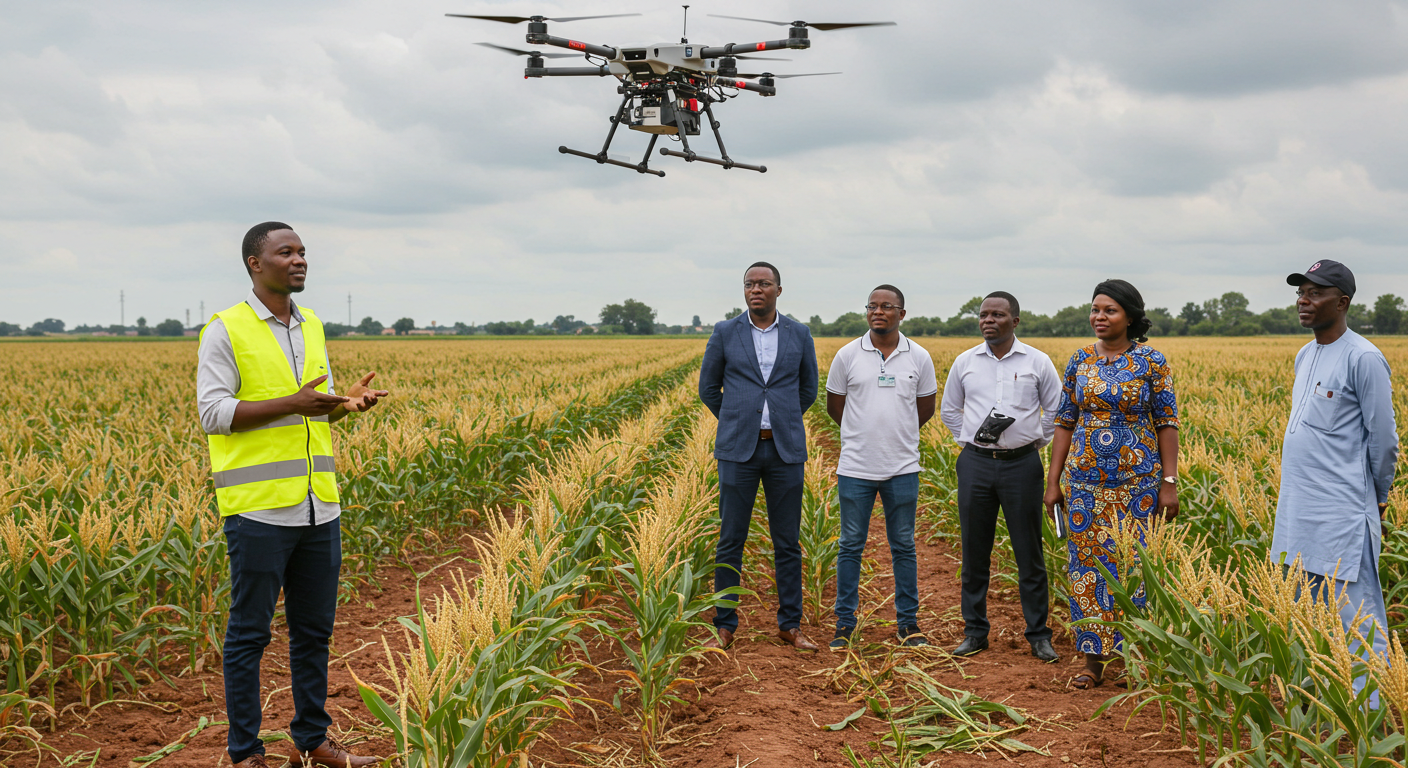
Years 3–5 (Scale & Export): Expand acreage, optimize yield per hectare via precision agriculture, and execute international off-take contracts. ROI typically begins accumulating in Year 3–4, with export-oriented chains achieving 20%+ IRR.
Value Chain | Key Regions | Core Opportunities & Advantages | Target Markets | Est. ROI (IRR) |
|---|---|---|---|---|
Cassava | South-South, South-West, North-Central | World's largest producer. Industrial starch, ethanol, and HQCF. Govt biofuel support. | Domestic Industry, Limited Export | 15–25% |
Maize | North-Central, North-West | Essential poultry/aqua feedstock. Hybrid seeds, grain storage, and feed milling. | ECOWAS, Domestic Mills | 12–20% |
Rice | Middle Belt, Northern Irrigated Zones | Massive import-substitution play. High tariffs protect local millers and farmers. | Domestic (Import Replacement) | 15–25% |
Cocoa | South-West, South-South | Leading non-oil export. Value-added processing (butter/powder) captures premium margins. | EU (Netherlands), Asia | 20–25% |
Palm Oil | South-South, South-West | 6M+ MT domestic demand vs 1.4M MT supply. Edible oils and oleochemicals. | Domestic Market | 10–15% |
Livestock | Northern Savannas, Middle Belt | Commercial feedlots, dairy processing, and animal health services. | Domestic, Hides Export | 10–20% |
Horticulture | Plateau, Kano, Lagos/Ogun | Cold-chain logistics, greenhouse farming, and niche exports (ginger, floriculture). | UK, EU, Middle East | 15–30% |
Note: ROI ranges are indicative; actual returns depend on scale, operational efficiency, and risk mitigation strategies.
Successfully investing in Nigeria's agricultural sector requires more than just identifying opportunities; it demands local market intelligence, trusted regulatory partnerships, and flawless execution.
Adalidda supports international agribusinesses, private equity funds, food manufacturers, and DFIs seeking to establish or scale operations in Nigeria. Our end-to-end advisory services include:
Market Entry Strategy & Investment Feasibility Studies
Land Sourcing, SAPZ Facilitation & Agro-Industrial Project Development
Partner, Supplier, and Off-Taker Identification
Government Relations & NIPC Incentive Structuring
Due Diligence & Investment Risk Assessment
Nigeria represents one of the most compelling agribusiness investment destinations in the world. With the right strategy and local execution partner, investors can unlock significant alpha while contributing to global food security and sustainable economic growth.
Planning an agribusiness investment in Nigeria or across Africa?
Contact our team today to discuss your investment objectives and explore opportunities tailored to your organization.
By Kosona Chriv
Co-Founder, Chief Operating Officer and Chief Sales and Marketing Officer
The analysis and perspectives presented in this article draw upon data, reports, and market intelligence from the following institutions:
International Finance Corporation (IFC) – Agribusiness Investment Resources
African Development Bank Group (AfDB) – Feed Africa Strategy and Agricultural Development Reports
United Nations Conference on Trade and Development (UNCTAD) – World Investment Reports
Nigeria Investment Promotion Commission (NIPC) – Investment Incentives and Policy Framework
McKinsey & Company – Agriculture and Growth Opportunities in Africa
The article also incorporates industry observations, market trends, and investment insights derived from ongoing engagement with agribusiness operators, agricultural value-chain stakeholders, investors, and trade participants across Africa.