Europe and South America together supply a large share of the world’s exportable wheat. In 2025/26 the European Union harvested a bumper 144.6 million tonnes of wheat and is expected to export roughly 35–36 million MT. Major EU producers (France, Germany, Poland, Romania, etc.) regained output after a lean year, allowing a sharp rebound in exports. France is projected to resume its position as the EU’s top exporter, with Romania and others also growing shipments. Much of this grain flows to North Africa and the Middle East – for example, Romania’s wheat goes mainly to Egypt (with Saudi Arabia next) – while French and German wheat often feeds markets like Morocco, Algeria and Turkey.
South America’s wheat production is also surging. Argentina’s 2025/26 harvest is forecast at a record 27.5 million MT (versus ~18.5 MMT in 2024), yielding an exportable surplus of about 17.5 million MT. Argentina now regularly ships large volumes of wheat to Asia and Africa – key buyers include Indonesia, Bangladesh, Vietnam, Morocco, Angola and Thailand. Brazil (with a near-record 8 MMT crop in 2024) exported about 2.83 million MT in 2024, and smaller Mercosur suppliers (e.g. Uruguay) also contribute. In short, Europe and South America together offer complementary, year-round supply: European crops support northern hemisphere demand, while South American harvests (Argentine and Brazilian wheat) cover the Southern Hemisphere season and serve global markets.
Key Market Data (2024/25–2025/26)
- EU Wheat Crop: ~122 million MT (2023/24) rising to ~145 MMT (2025/26). Expected exports ~36 million MT in 2025/26.
- Argentina Wheat Crop: Forecast ~27.5 million MT (2025/26) vs 18.5 million MT prior year. Exports projected ~17.5 million MT.
- Brazil Wheat Exports: ~2.83 million MT in 2024.
- Major Destinations: Argentine wheat goes to Indonesia, Bangladesh, Vietnam, Morocco, etc.; EU wheat often heads to Egypt, Morocco, Saudi Arabia and other North African/Middle Eastern markets.
Bulk Shipment Logistics (25,000 – 60,000 MT lots)
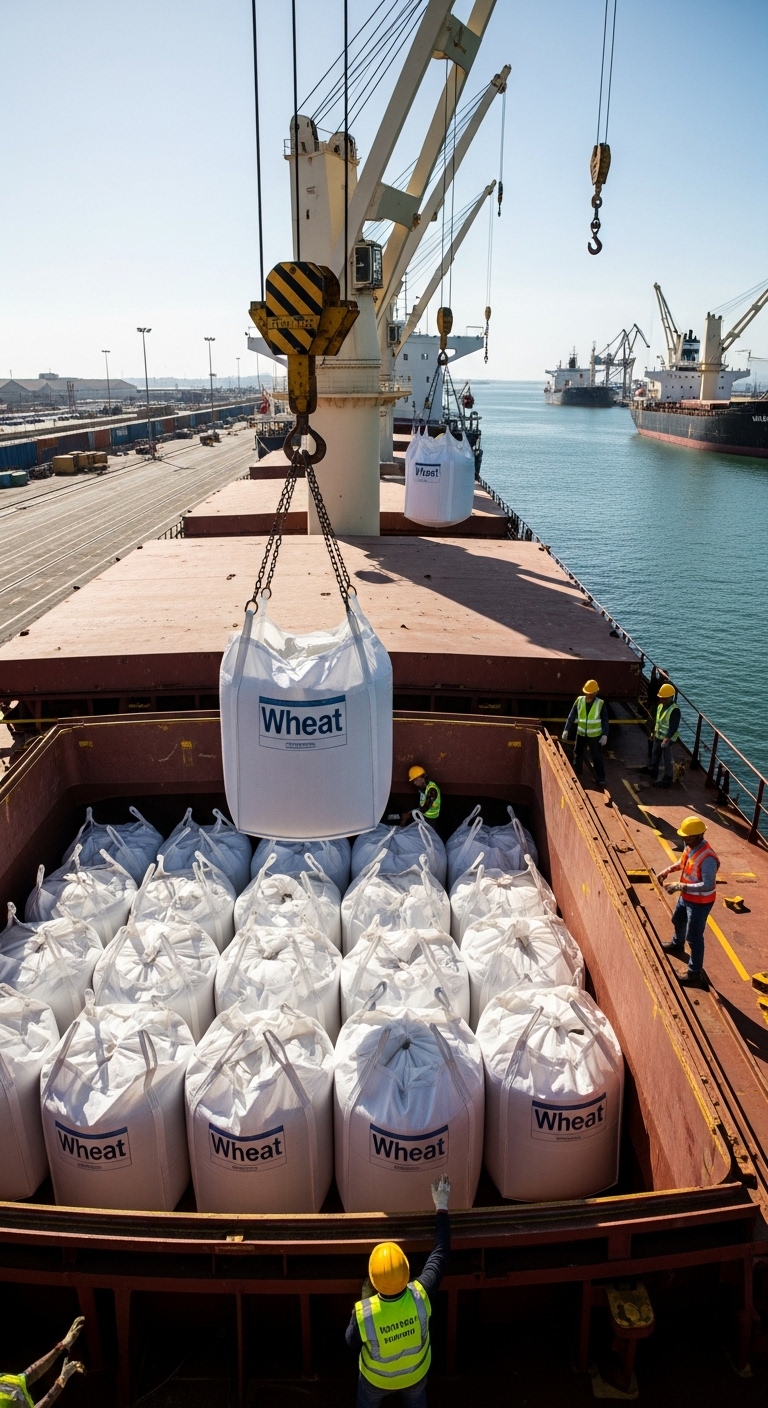
Adalidda specializes in large-scale vessel shipments. Typical bulk grain cargoes range from 25,000 to 60,000 metric tonnes, corresponding to the Handysize/Handymax vessel classes. For example, a 25,000 MT shipment fits on a “Handysize” bulk carrier (24,000–35,000 DWT), while larger 50–60,000 MT loads use Handymax/Panamax-class ships. These vessel sizes can access many European and South American ports (including smaller or inland facilities), offering flexibility in routing. Adalidda arranges efficient loading at origin ports and transport to buyers worldwide. Transportation is optimized to minimize transit time and handle commodity prices; customers can opt for monthly contract loadings or one-off spot shipments. (By contrast, containerized wheat trade is very limited, so bulk vessels are the norm.)
Quality Control & Compliance
All shipments meet international quality and safety standards. European and Argentine wheats are tested for moisture (typically ≤13.5%), high test weight (≈78–80 kg/hl), adequate protein, and low levels of foreign matter or defects. Adalidda provides full analytical documentation (Certificates of Analysis, lab test reports) with every lot to prove these parameters. We also ensure compliance with destination requirements: for example, many buyers require wheat to have only trace mycotoxin (aflatoxin) and heavy metal levels, and EU markets demand cadmium below 0.1 mg/kg. All cargoes undergo third-party inspection (e.g. SGS, Bureau Veritas) as needed to verify quality.
Crucially, phytosanitary certification is provided with every shipment. A Phytosanitary Certificate – issued by the exporter’s national plant protection authority – certifies that the wheat has been inspected and is free from quarantine pests and diseases. This certificate (along with fumigation papers where applicable) is mandatory for grain imports and ensures the cargo meets global plant-health regulations. When shipping to markets with special requirements, Adalidda can also coordinate additional compliance: for instance, providing certificates attesting Karnal bunt freedom, halal certification, or GMO status if requested by the buyer.
Other export documents (commercial invoice, packing list, certificate of origin, bill of lading, etc.) are prepared per standard trade practice. In short, buyers receive wheat that is fully documented and certified, simplifying customs clearance and assuring end-users of product safety and consistency.
Adalidda’s Export Services & Offerings
Adalidda leverages these strategic origins to serve global wheat buyers. Key features of our service include:
Flexible Bulk Volumes: We offer Handysize-scale shipments (25,000 MT and up) from Europe and South America. Clients can arrange regular monthly shipments or one-off spot cargoes, depending on their needs.
Global Origins: We source milling wheat from top exporters, as well as from Argentina (Mercosur). This geographic diversity ensures supply stability and allows buyers to combine Northern- and Southern-hemisphere wheat.
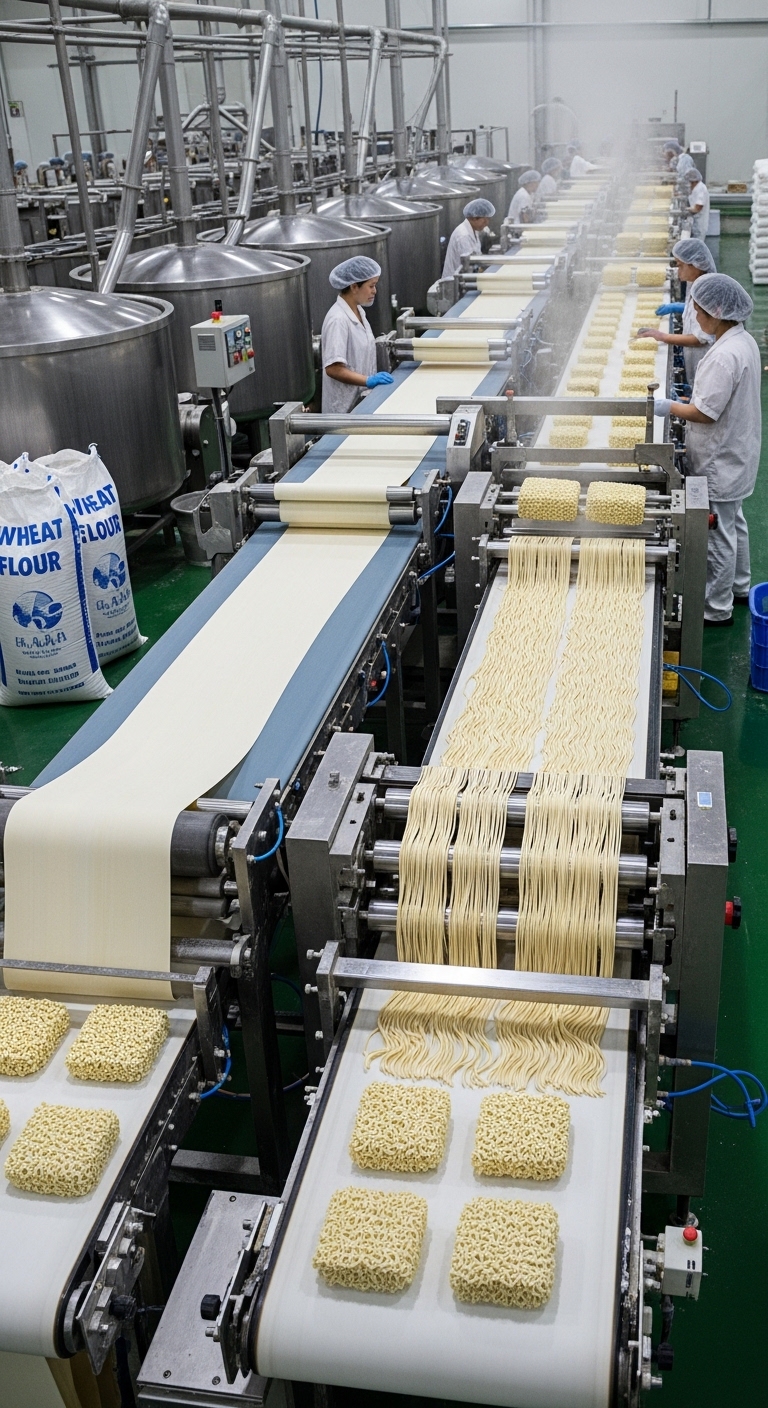
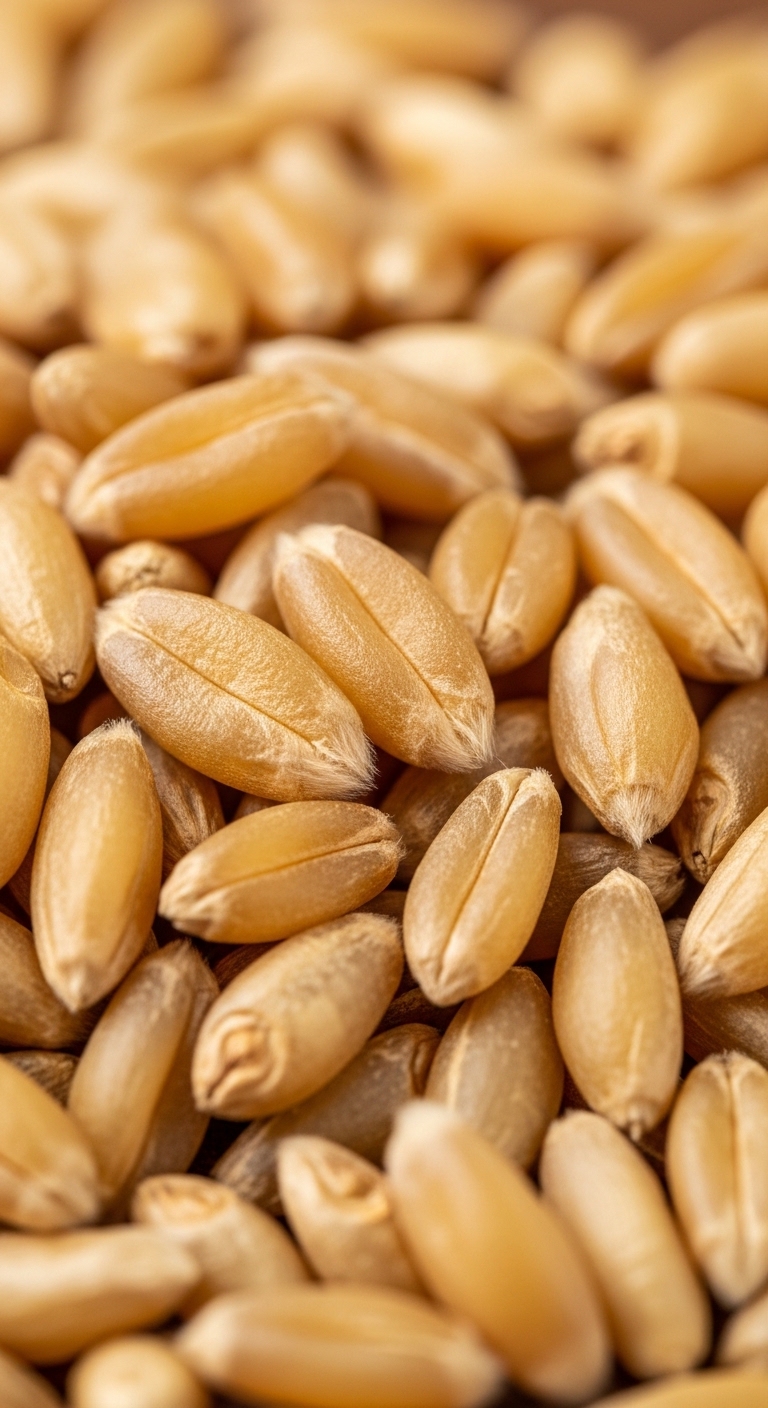
Product Range: Our offerings include standard milling wheat suitable for bread flour, noodles or general industrial use, and Soft Red Winter (SRW) wheat for pastries, biscuits and soft bakery needs. (All wheat is supplied in bulk, suitable for millers and food processors.)
Quality Assurance: Every batch comes with Certificate of Analysis and lab test results. We can arrange pre-shipment inspections and provide extended QA docs on demand. Importantly, phytosanitary certificates accompany all exports. This comprehensive documentation ensures the wheat meets the buyer’s specifications and import regulations.
Competitive Terms: Adalidda offers market-competitive pricing and flexible contract terms to build long-term relationships. We work closely with customers to lock in protein and quality specs, manage logistics costs, and optimize order sizes. By dealing directly with major origin suppliers and handling our own export operations, we can pass efficiency gains to buyers.
The net result for importers and food processors is a stable, transparent supply of quality wheat from EU and South American origins. We aim to be a reliable partner for high-volume buyers – whether you need recurring shipments or the flexibility of spot purchases.
For firm quotations or detailed discussions on long-term supply, please reach out to our Strategic Partners.
Strategic Partner for India and South Asia
Mr. Rajaram Gulothungan
WhatsApp: +91 94451 04542
Email: gulothungan@adalidda.com
Strategic Partner for Argentina and South America
Mrs. Maria Bergara
WhatsApp: +54 9 11 4050-3800
Email: mariabernew@adalidda.com
Adalidda looks forward to partnering with global importers and industrial buyers seeking reliable, large-volume wheat supply from Europe and South America.
Adalidda
Mrs. Susa Taing
General Manager
WhatsApp/Telegram: +85569247974
Email: info@adalidda.com