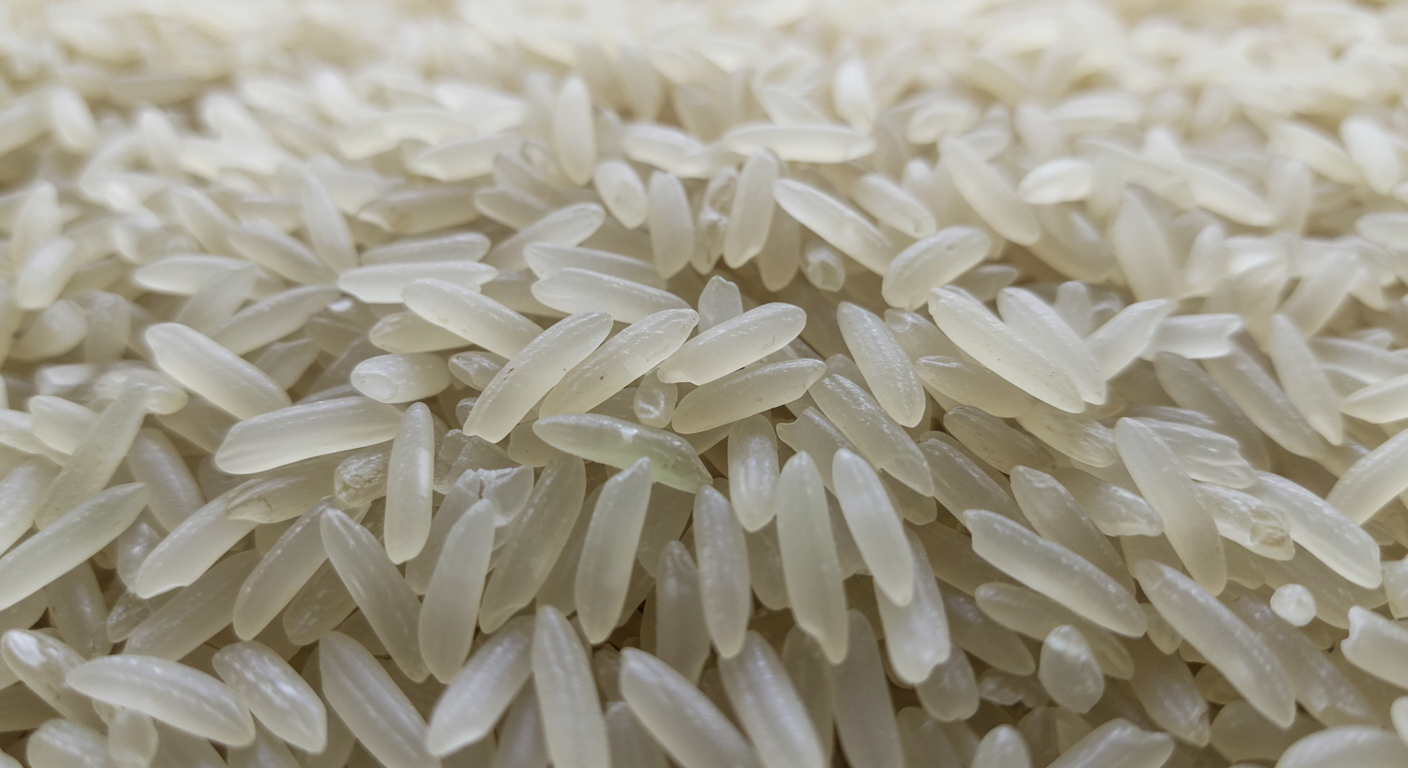
Basmati rice (aromatic long-grain from India/Pakistan) offers a favorable nutritional profile. One cup (163 g) of cooked white basmati provides ~210 calories, 4.4 g protein and is rich in B‐vitamins (thiamine, folate, niacin, B6) and selenium. Brown (whole‐grain) basmati adds fiber and more minerals. Importantly, basmati generally contains lower inorganic arsenic than many other rices. White basmati is often enriched with iron and B‐vitamins during milling. Its glycemic index is moderate – about 54 – making it a better choice for blood‐sugar control than higher-GI rices (GI = Geographical Indication).
Organic basmati is grown without synthetic pesticides or GMOs. Organic grains may have slightly higher antioxidants and micronutrients in some studies, but overall nutrient content is very similar to conventional rice. The clear benefit of organic basmati is reduced chemical residue and environmental impact. In short, both traditional and organic basmati are gluten‐free, low‐fat, and supply complex carbohydrates along with micronutrients. Brown basmati adds whole‐grain fiber.
Top Export Markets
India and Pakistan dominate the basmati trade, each serving mostly Middle Eastern, South Asian and diaspora markets.
India’s exports: In FY2023–24 India shipped ~5.24 million tons of basmati (USD 5.84 billion). Key markets (FY2023–24) were Saudi Arabia (~1.10 millions tonnes, USD 1.25 billion), Iraq (0.825 millions tonnes, USD 0.89 billion), and Iran (0.671 millions tonnes, USD 0.68 billion). Other major destinations included the UAE, Yemen, USA, Kuwait, UK, Oman and Qatar (together they constituted ~77% of India’s basmati exports). (For example, Saudi Arabia alone accounted for ~21.5% of India’s basmati exports in 2023–24.)
Pakistan’s exports: Pakistan’s total rice exports hit ~$3.7 billion (≈4.0 millions tonnes) in 2024, with basmati being the largest share. Pakistan’s basmati exports earned roughly USD 2.0 billion in 2024. The top buyers of Pakistani basmati are also in the Gulf and nearby regions. For example, in early FY2023/24 the UAE imported $85 million, Saudi Arabia $51 million, and Oman $43 million of Pakistani basmati. More broadly, according to Pakistani trade data, the leading rice markets in 2024 were the UAE ($1.2 billion), Saudi Arabia ($0.9 billion), Iran ($0.7 billion), Afghanistan ($0.6 billion) and Iraq ($0.4 billion). (Basmati is typically the top variety sold to these markets.)
Market Trends (2023–2025)
India’s export policy shocks: In July 2023 India banned exports of non-basmati white rice (except parboiled) amid El Niño fears and rising inflation. This immediate restriction “jolted the global market,” sending benchmark Thai white rice prices up >20% by August 2023. India’s total rice exports plunged: from Aug 2023–May 2024, aggregate rice shipments fell ~34% year-on-year, driven by an 88% collapse in non-basmati exports. (By contrast, basmati exports actually rose ~18% in that period as buyers switched preferences.) India also imposed a Minimum Export Price (MEP) on basmati (set at $1,200/ton in Aug 2023, later lowered to $950). These measures kept India’s rice exports below 2022 levels through 2024, even after domestic production rebounded.
Pakistan’s export surge (2023): Pakistan benefited from India’s restrictions and a good harvest. For MY2023/24 Pakistan exported a record 6.55 millions tonnes of rice. In the first seven months of FY2023/24 (Jul–Jan), total rice shipments reached ~5.0 millions tonnes (VS 4.0 millions tonnes in prior year). Basmati exports (Jul–Jan) were ~0.399 millions tonnes (up 24% YoY). Export revenues jumped: the first half of FY24 saw ~$2.10 billion (95% growth) vs $1.083 billion a year earlier. Pakistani exporters earned ~$1,146/ton for basmati (vs $567/ton for non-basmati). The rupee’s depreciation also made Pakistani rice very competitive internationally. (By contrast, floods in 2022 had cut Pakistan’s production by ~1.5–2 millions tonnes; the 2023 crop recovered those losses.)
Global prices and demand: The tight supply in 2023 kept rice prices elevated globally. As of mid-2024, aromatic basmati prices hovered above $800–900/ton, roughly double the price of generic long-grain varieties. Market data sources report typical export quotes around USD 800–850/ton for Indian Pusa basmati and Pakistani super kernels. Even so, India’s record production in 2023/24 and rising stocks led to some price correction by late 2024. Meanwhile, freight disruptions (Red Sea instability) have slowed shipments and raised costs, prompting some buyers to delay purchases.
Regulatory shifts: India’s rice policy has been in flux. After maintaining export restrictions through 2024 (and imposing MEPs on basmati), India began lifting barriers in late 2024, resuming white rice exports (with an MEP of $490/ton, lifted by Oct 2024). Pakistan, on its part, is pursuing a Geographical Indication (GI) for basmati in the EU; tensions over basmati naming rights have surfaced in FTA talks. Internationally, trade agreements (like India–EU FTA discussions) may influence basmati market access in the future.
Trade Performance & Export Potential
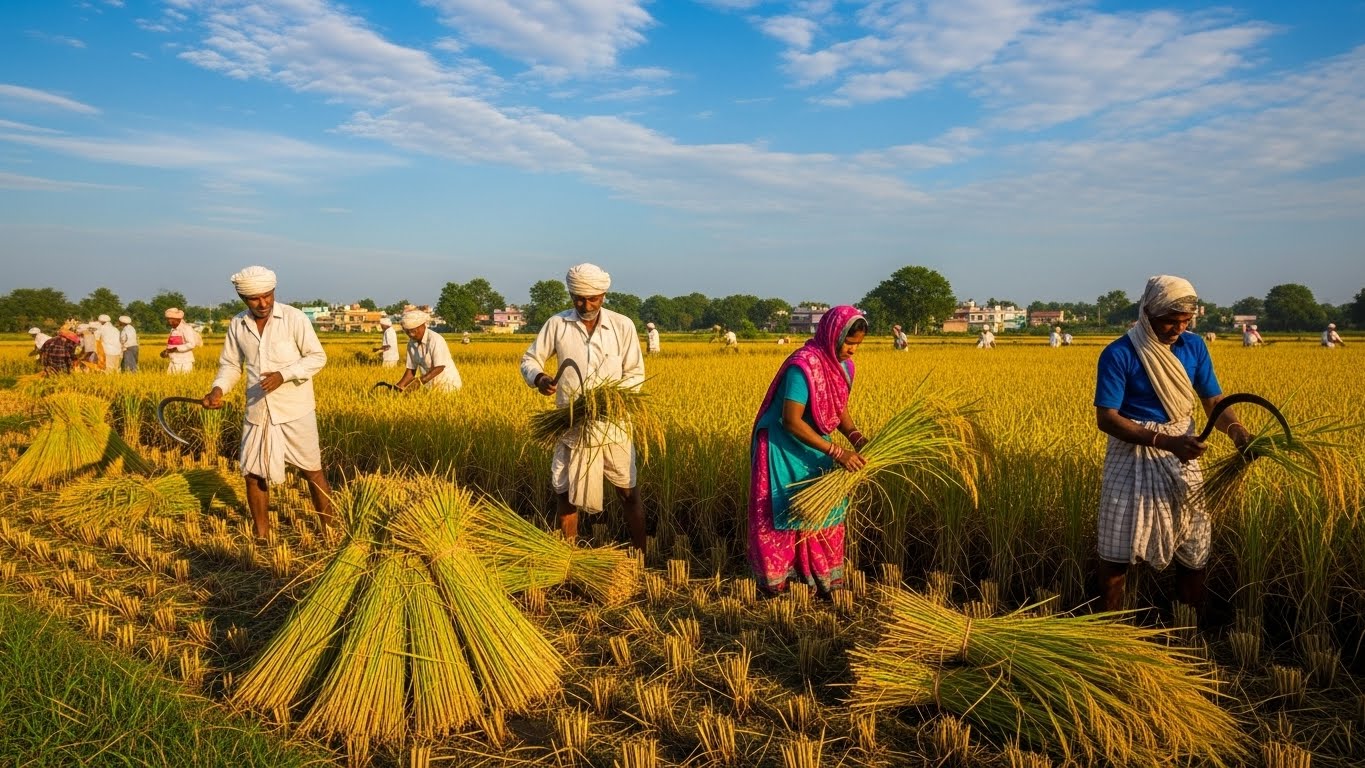
India: Basmati is India’s premium export category. Exports grew ~15% in FY2022–23 and ~14% in 2023–24, reaching 5.242 millions tonnes (US$5.84 billion). In calendar 2023 alone India sold a record $5.4 billion of basmati (4.9 millions tonnes). Nearly 80% goes to the Middle East and Asia, but Western markets (USA, EU) also matter. India’s basmati output has been rising (aided by high-yield varieties like PR 1121) and it remains the price leader. Future export potential is tied to maintaining quality (GI-protected standards) and mitigating water scarcity in Punjab/Haryana where basmati is grown.
Pakistan: Pakistan’s basmati exports rebounded strongly. Exports for FY2023/24 are projected around 5.0–6.0 millions tonnes, approaching India’s volumes. Pakistan’s share is concentrated in the Middle East, but it is expanding into Southeast Asian markets (Indonesia, Malaysia) and Africa. With ~70% of its rice acres irrigated by the Indus, Pakistan can potentially increase output if water resources permit. The country’s trade prospects hinge on competitive pricing (the weaker rupee helps) and on diversifying markets. Both governments are supporting exporters: e.g. via subsidies, marketing assistance and by building GI protection.
Pricing: Aromatic basmati commands a large premium over common rice. In 2023–24 Pakistani basmati fetched about $1,200–1,250/ton (FOB), versus ~$580/ton for IRRI (non-basmati long-grain). These high prices reflect its specialty status. However, with increased supply from India and Pakistan in 2024–25, basmati prices have begun to ease (some reports note basmati quotes falling from early-2024 highs).
Future Outlook
Global demand for basmati continues to rise. Middle Eastern countries remain the largest consumers, and premium markets (EU, US, Canada) also value basmati’s quality. Growth in South Asian diaspora populations will sustain demand. Analysts expect a modest annual growth in basmati trade (around 2–9% CAGR in various forecasts through 2030). Several trends will shape the next decade:
New Markets: Exporters are targeting African and Southeast Asian markets more aggressively. For example, Pakistan has significantly increased shipments to Indonesia and Malaysia in 2023–24. Opportunities may emerge in Latin America and elsewhere as incomes rise and cuisines globalize.
Organic/specialty segment: There is growing niche demand for organic basmati among health-conscious consumers and affluent markets. Organic cultivation remains <5% of total, but it fetches higher prices and can expand with certification programs. Other specialty items (e.g. brown basmati, parboiled basmati) also command premiums.
Supply constraints: Both countries face water and climate challenges. Pakistan’s average yields (~3 t/ha) are well below potential, and the industry needs investment in irrigation efficiency. India’s basmati area is mostly in water-stressed Punjab/Haryana. Extreme weather (El Niño, floods) can still disrupt supply. Research into higher-yield, drought-tolerant basmati varieties could improve future output.
Competition: While basmati demand grows, so does competition from other aromatic rices and from cheap non-aromatic imports in some markets. For instance, U.S. and European buyers often source jasmine rice from Thailand alongside basmati. Both countries will likely continue to emphasize basmati’s superior cooking quality and health attributes to stay competitive.
Comparison to Other Rice Varieties
Basmati vs. Jasmine: Basmati (from India/Pakistan) and jasmine (from Thailand/Cambodia) are the two main aromatic long-grain rices. Jasmine has a shorter, slightly sticky grain with a pronounced floral aroma; basmati has very long grains that stay separate and have a nutty, popcorn-like fragrance. Nutritionally they are similar, but basmati’s GI (~54) is generally lower than jasmine’s (often ~60–70+), so basmati causes slower glucose rise. In trade, basmati dominates Middle Eastern and South Asian cuisine niches, while jasmine is popular for Southeast Asian dishes. Jasmine is usually slightly cheaper per ton than basmati, reflecting its wider abundance and shorter aging requirement.
Non-Basmati long-grain (IRRI varieties): These high-yield, non-aromatic rices (e.g. IRRI-6) are the staple of global bulk markets (Africa, Latin America, much of Asia). They have no special aroma, lower cost, and are usually traded in large volumes. Basmati commands a significant premium over these ordinary long-grain rices. For example, in 2023–24 Pakistan’s non-basmati rice sold around $567/ton, roughly half the $1,146/ton for its basmati. In cooking, non-aromatic grains tend to clump or stick more (depending on variety) and lack basmati’s fragrance.
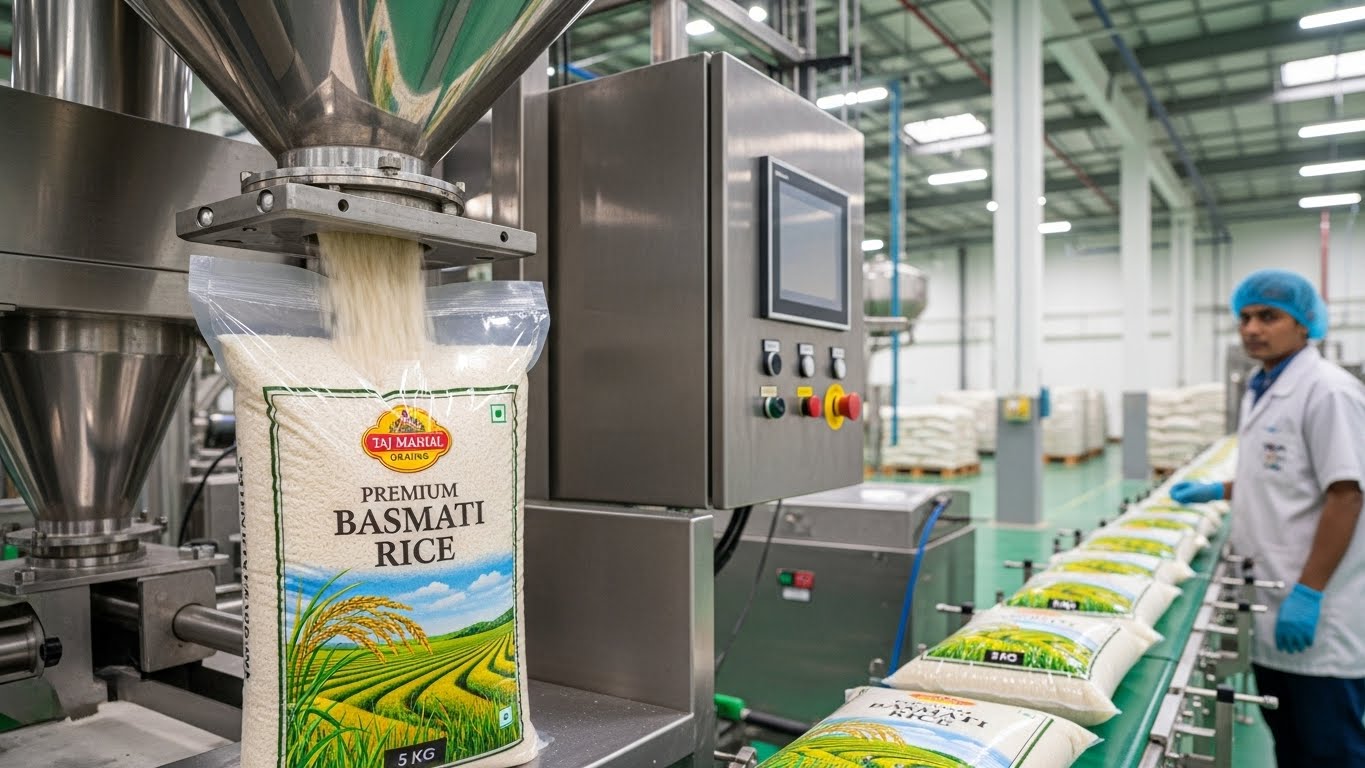
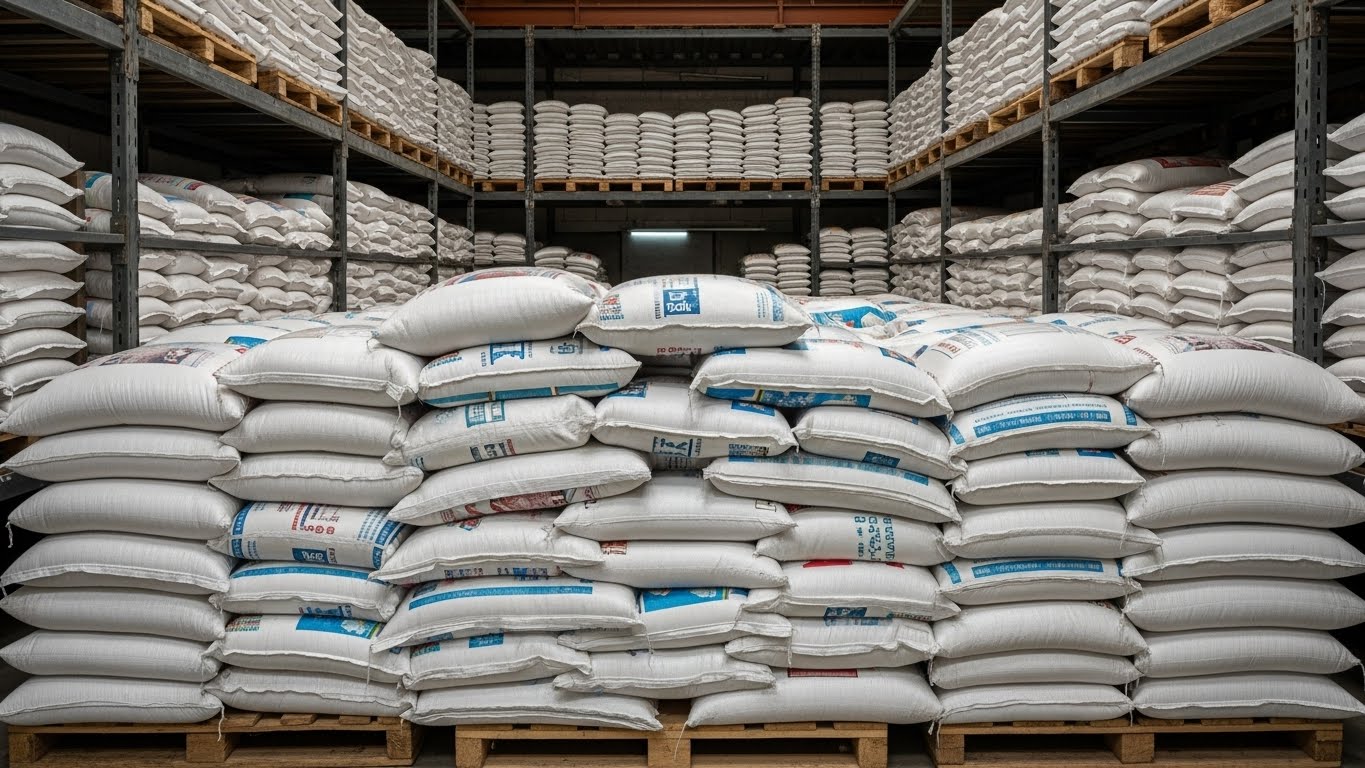
Adalidda supplies basmati rice in bulk shipping to importers and manufacturers from around the world. We offer shipment sizes starting at 15,000 MT, packed based on your requirements for safe, cost-efficient transport. For competitive quotations, specifications (COA, spec sheet) and long-term supply agreements, please contact our sales team.
Adalidda
Mr. Muthu Samy Rajaram Gulothungan
General Manager
Email: sales@adalidda.com
WhatsApp: +91 94451 04542
Web site: https://adalidda.com
Bibliography
Sources: Authoritative trade reports, government statistics and food science analyses have been used. Key data include India’s official export figures (DGCIS), USDA/FAS reports and S&P Global analyses, and nutrition references (Healthline, Harvard). All figures are from 2023–2025 reports and thus reflect the latest trends in basmati agribusiness.
Basmati Rice Healthy? Nutrients and More
https://www.healthline.com/nutrition/is-basmati-rice-healthy#:~:text=In%20comparison%2C%20brown%20basmati%20rice,2
https://www.healthline.com/nutrition/is-basmati-rice-healthy
Glycemic Index Chart for Common Foods
https://www.verywellhealth.com/glycemic-index-chart-for-common-foods-1087476
Health Benefits of Organic Basmati Rice - Aahu Barah
https://www.aahubarah.com/blogs/the-rice-blog/health-benefits-of-organic-basmati-rice?srsltid=AfmBOorwi2OQwTp9eLepq8R-FQc9aSlr9C1wVPZamUpezz-f6-pYWGJ-
Organic food no more nutritious than conventionally grown food - Harvard Health
https://www.health.harvard.edu/blog/organic-food-no-more-nutritious-than-conventionally-grown-food-201209055264
dgciskol.gov.in
https://www.dgciskol.gov.in/writereaddata/Downloads/20240808163758A%20brief%20report%20on%20Export%20of%20Rice%20by%20India.pdf
The Distinctive Hike in the Rice Export of Pakistan in 2024
https://www.importglobals.com/blog/the-distinctive-hike-in-the-rice-export-of-pakistan-in-2024
Pakistan's rice exports set to reach 5 mil mt in FY 2023-24 on good crop output | S&P Global
https://www.spglobal.com/commodity-insights/en/news-research/latest-news/agriculture/022224-pakistans-rice-exports-set-to-reach-5-mil-mt-in-fy-2023-24-on-good-crop-output
After a year, India’s rice export restrictions continue to fuel high prices | IFPRI
https://www.ifpri.org/blog/after-a-year-indias-rice-export-restrictions-continue-to-fuel-high-prices/
India's basmati rice exports to fall as Pakistan's surge | Reuters
https://www.reuters.com/markets/commodities/indias-basmati-rice-exports-fall-pakistans-surge-2024-02-29/
apps.fas.usda.gov
https://apps.fas.usda.gov/newgainapi/api/Report/DownloadReportByFileName?fileName=Grain+and+Feed+Update_Islamabad_Pakistan_PK2024-0022.pdf
Pakistan's 2025 rice export landscape likely to change as India lifts ban | S&P Global
https://www.spglobal.com/commodity-insights/en/news-research/latest-news/agriculture/123124-pakistans-2025-rice-export-landscape-likely-to-change-as-india-lifts-ban
India, Pakistan jostle over exclusive rights for basmati rice
https://www.spglobal.com/commodity-insights/en/news-research/podcasts/commodities-focus/111325-india-pakistan-jostle-over-exclusive-rights-for-basmati-rice
Rice - Rice Sector at a Glance | Economic Research Service
http://www.ers.usda.gov/topics/crops/rice/rice-sector-at-a-glance
Adalidda
Mrs. Susa Taing
General Manager
WhatsApp/Telegram: +85569247974
Email: info@adalidda.com